
Research
Animal Behavior, Aquatic Biology, Bioinformatics, Ecology, Evolutionary Biology, Genetics/Genomics, Microbiology/Immunology, Molecular Biology, Physiology
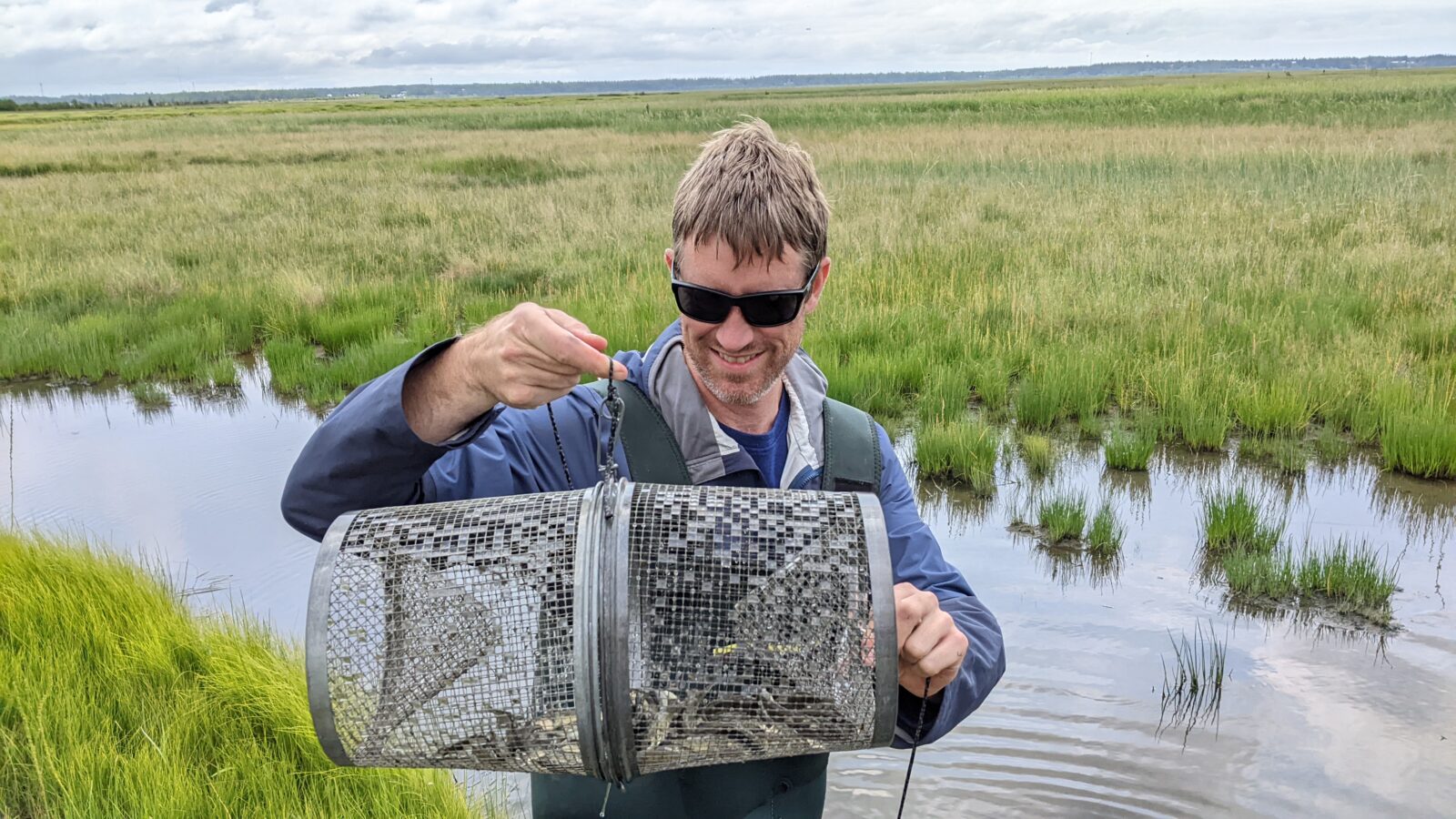
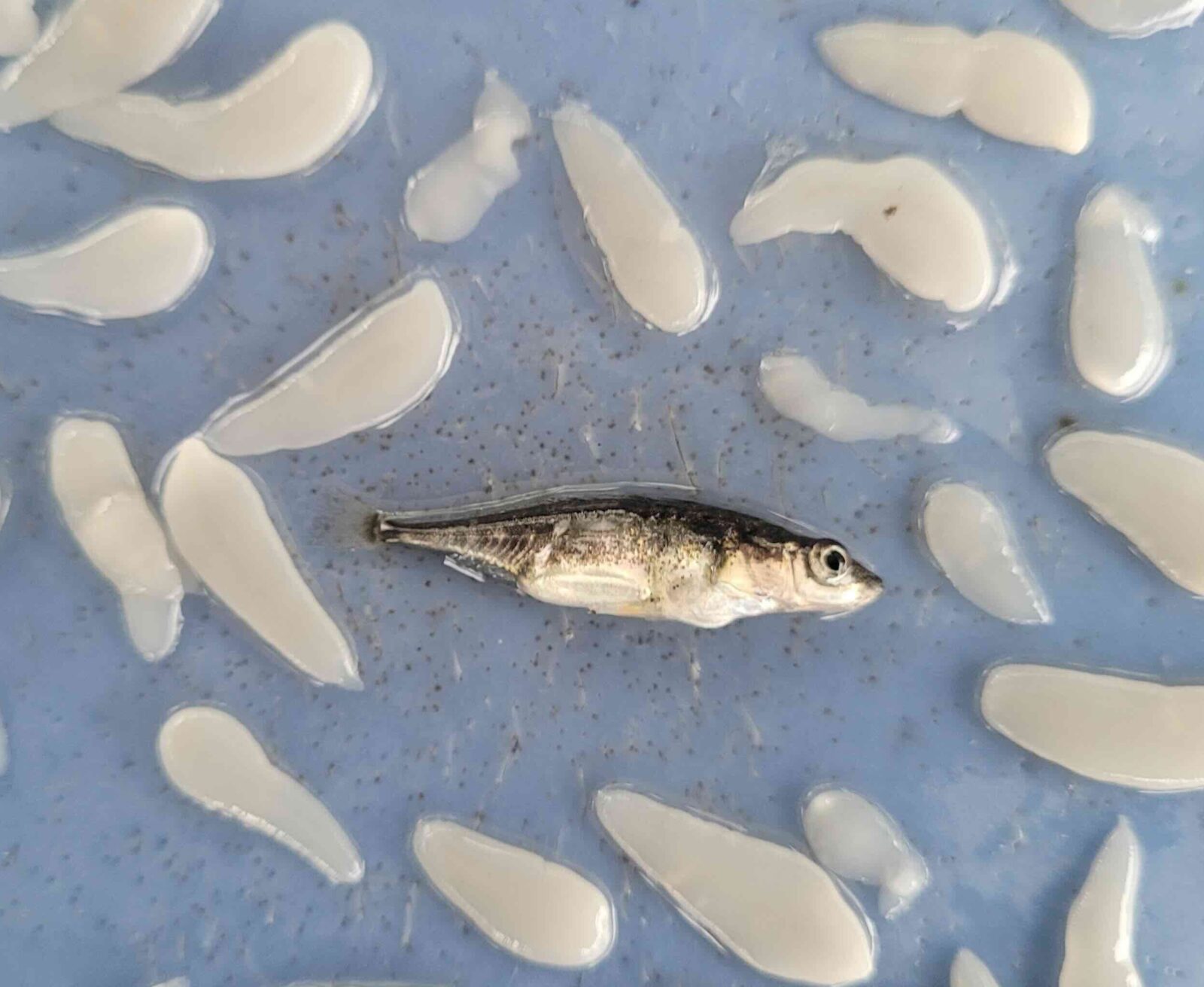
My team uses an integrative approach, drawing from practically every biological discipline, to describe the process of adaptation via natural selection. Most of our current research focuses on coevolution between threespine stickleback fish and tapeworm parasites, but we are becoming increasingly interested in the evolution of life history patterns (e.g., growth and longevity) and mito-nuclear interactions. In addition to adding to the foundation of basic evolutionary science, by studying adaptations that have survived the gauntlet of natural selection we are poised to mine an enormous and largely untapped reservoir of solutions to pressing medical and conservation challenges.
Education
PhD, Biology, Harvard University, 2012
BA, Molecular, Cellular, Developmental Biology and Biochemistry, Univ Colorado-Boulder, 2004