Graduate Programs
Explore our graduate programs
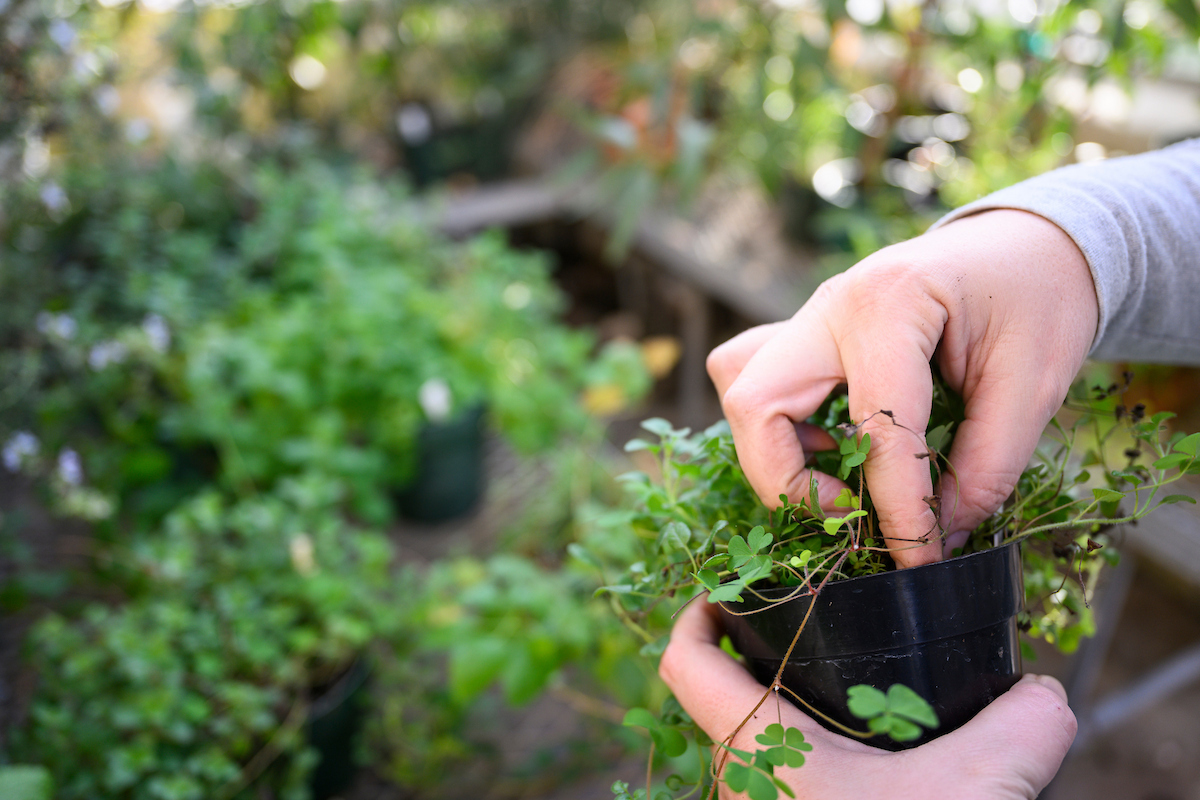
Botany Graduate Program
Graduate students in Botany work with faculty and staff on a range of projects in plant biology at all levels of organization — from molecules, through cells and organs, to populations, communities, and lineages.
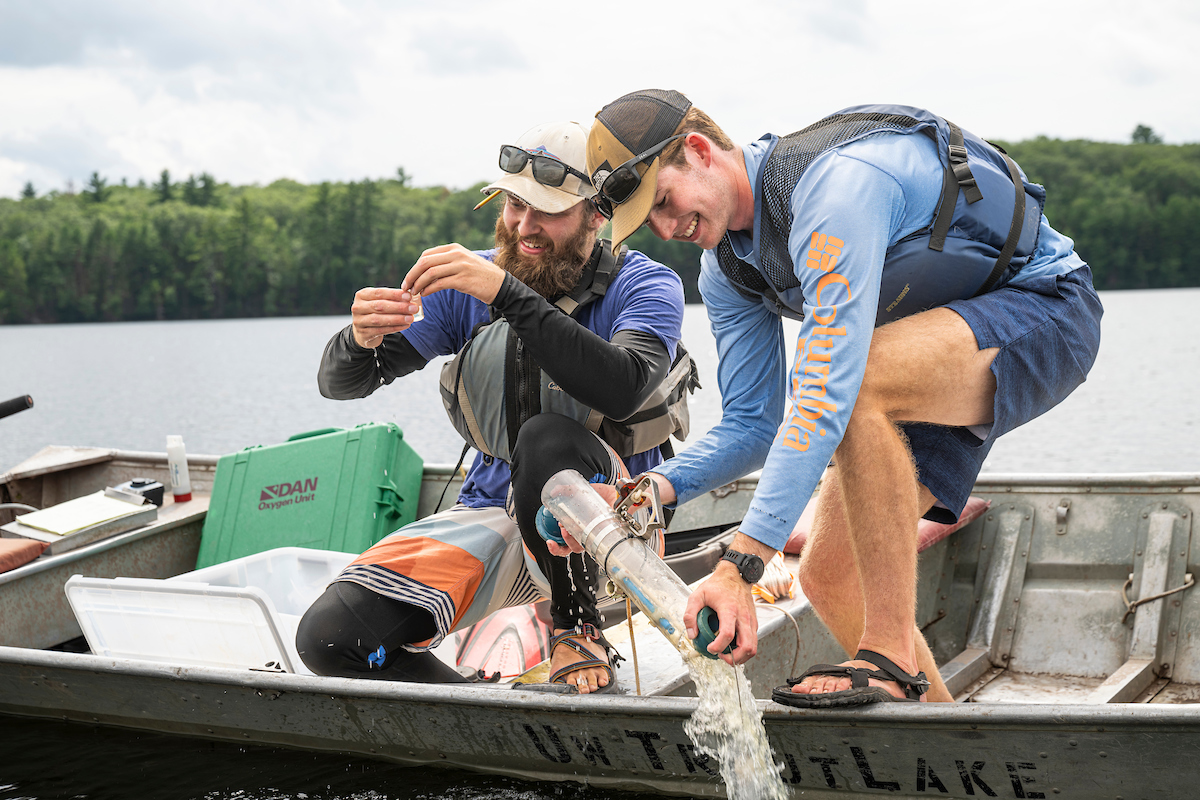
Freshwater and Marine Sciences Graduate Program
Designed to help students develop a greater understanding of aquatic systems—their origins, inhabitants, phenomena, and impact on human life, this program allows students to specialize in limnology, marine sciences, or processes common to both environments.

Integrative Biology Graduate Program
IBio graduate students choose to direct their path of study from a range of subject areas such as cellular and molecular biology, developmental biology, neuroscience, physiology, ecology, evolution, and animal behavior.
Applying
Admission into graduate programs is based on the applicant’s:
- undergraduate record
- three letters of recommendation
- previous research experience and
- shared interests with one or more potential faculty advisors
Submission of your GRE scores is optional.
Read more about the application process:
Read more…
-
TA Applications Open; positions in Department of Biology, Biocore
The Department of Biology The Department of Biology is accepting TA applications via this online form. Deadline: Sunday November 1, 2026. Please contact Nazan Gillie with questions, atilla@wisc.edu. Biocore Biocore is accepting spring semester TA applications! We…
-

Botany Grad Student talks mentorship in Science Careers
To help readers at all career stages become the supportive mentors and supervisors they aspire to be, Science Careers asked researchers, including Botany Graduate Student Joseph Walston, to share the lessons they’ve learned on…
-
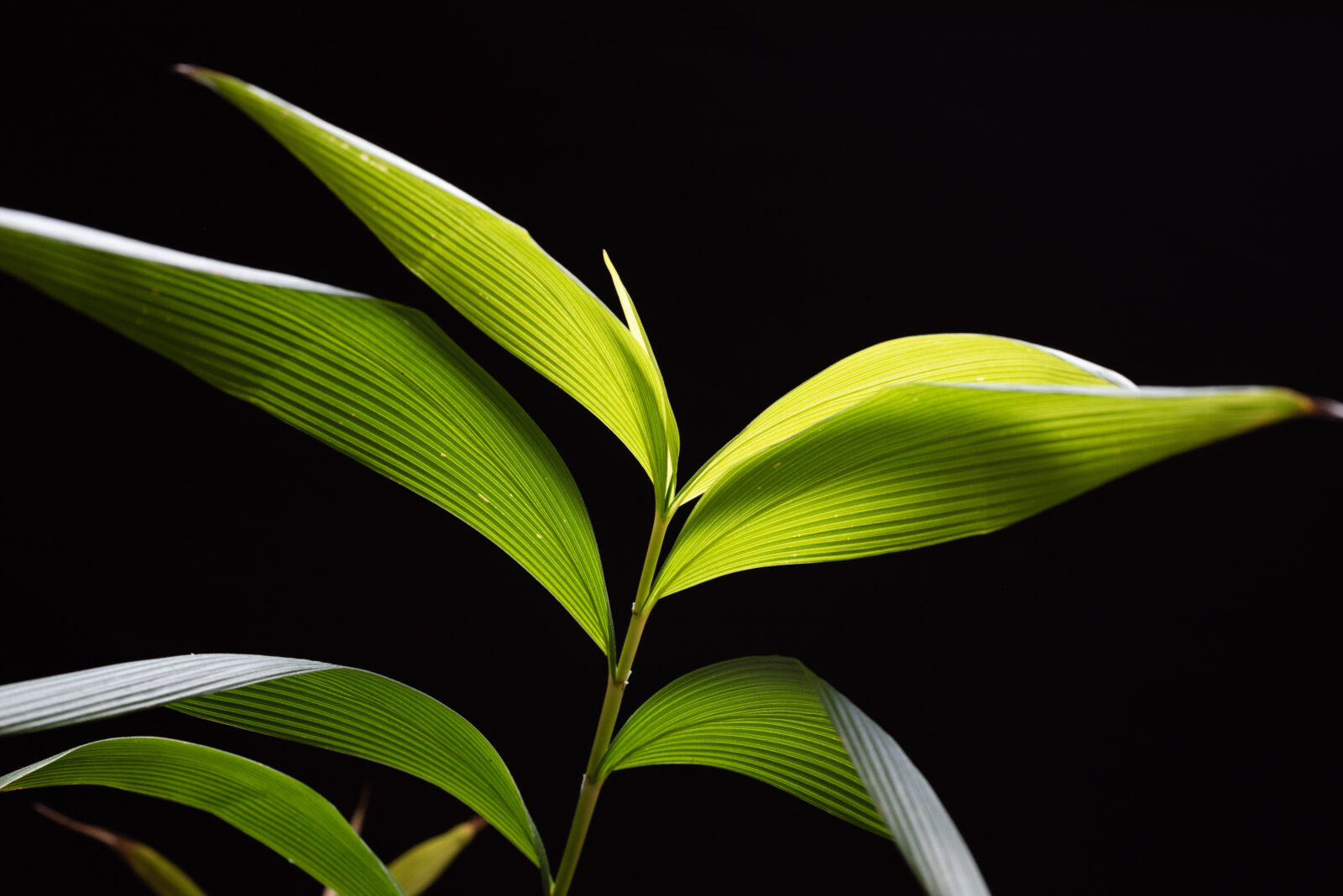
Molecular “bypasses” improve grass plants’s synthesis of lignin and starch, laying the early groundwork for evolutionary success
Words: Elise Mahon | Photos: Sarah Friedrich One hundred million years ago, long before human intervention, ancestors of grasses, like wheat, rice and maize generated “bypasses” of chemical pathways that are used…