News
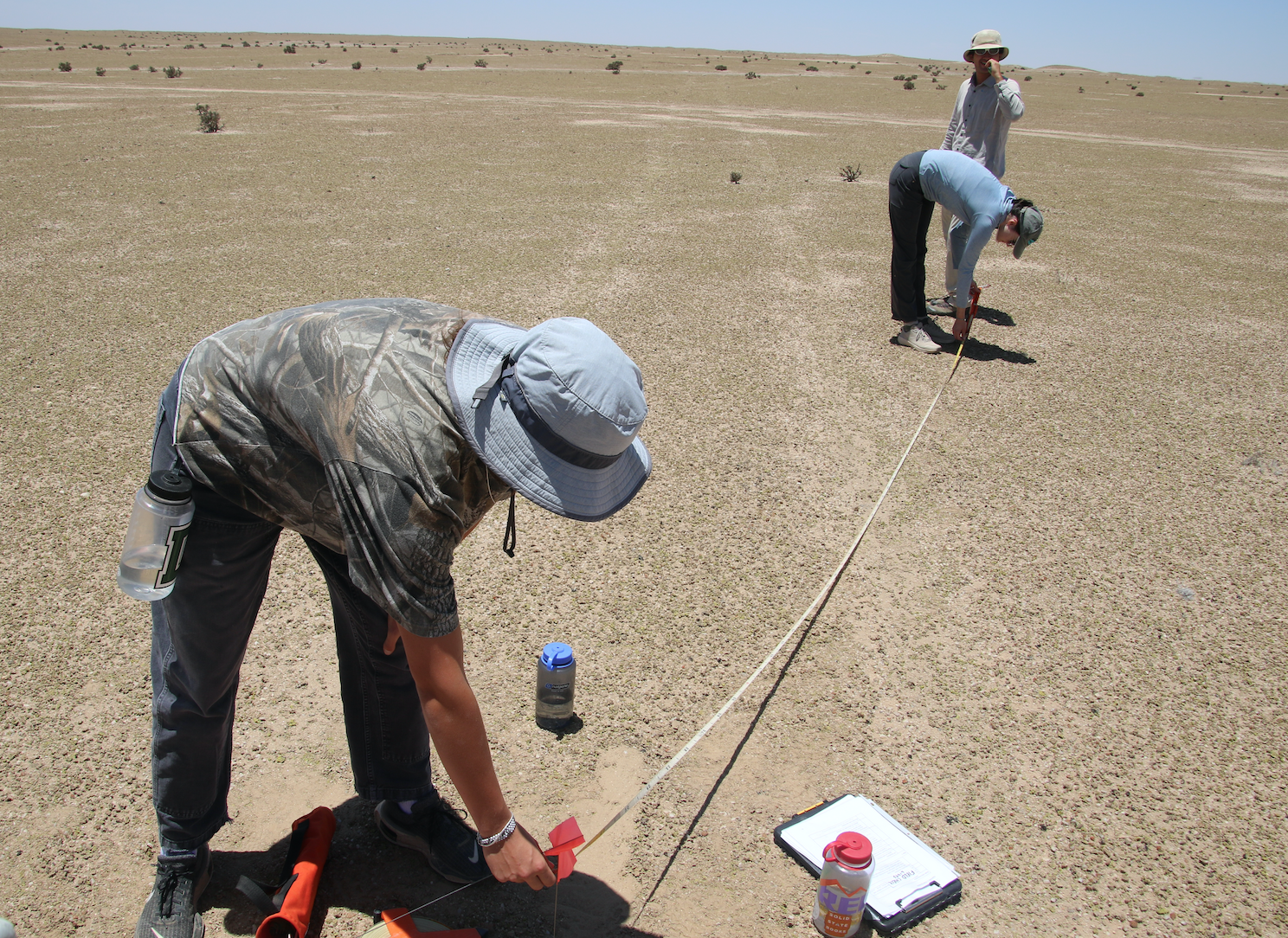
Considering land’s potential to improve mitigation of degradation, wind erosion, sand and dust storms
Research
A new approach to mitigate harmful wind erosion, sand and dust storms uses land potential to better match land management practices with the needs of a particular area. The paper was recently published in Land Degradation and Development by UW–Madison assistant professor Kristina Young.
Sand and dust storms affect millions of people around the world, causing immense damage to infrastructure and health. To help address this issue of land degradation, the United Nations’ Convention to Combat Desertification designated 2025-2034 the Decade on Combating Sand and Dust Storms.
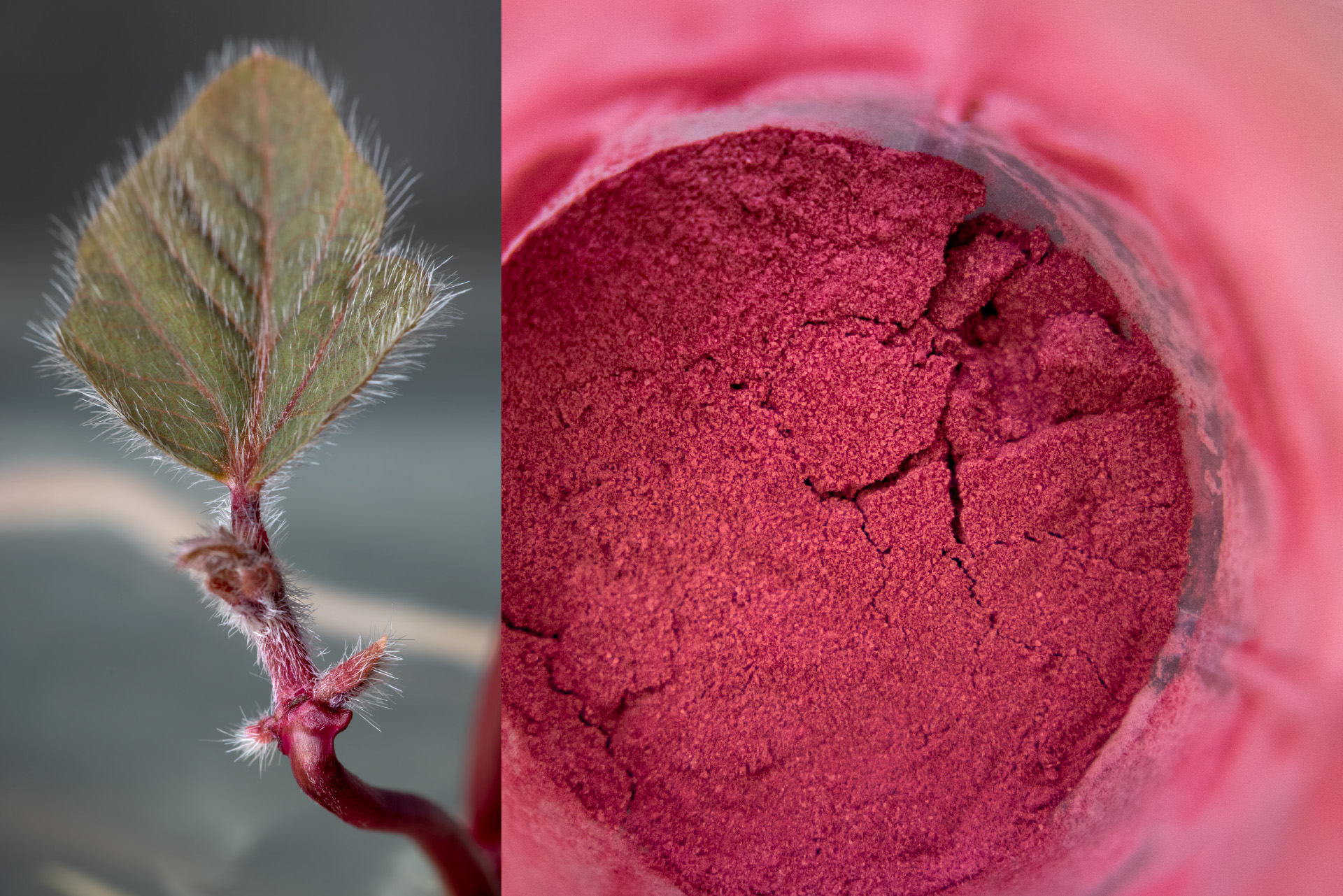
Paint the Plant Red: a natural alternative to synthetic food dyes
REsearch
Professor Hiroshi Maeda worked with CALS scientists to create a sustainable and healthy red dye from soy beans. Read more in the latest edition of Grow Magazine, produced by the College of Agricultural and Life Sciences. Photo by Michael King/UW CALS

Department of Biology FAQs
Department News
Answers to frequently asked questions about the new Department of Biology.
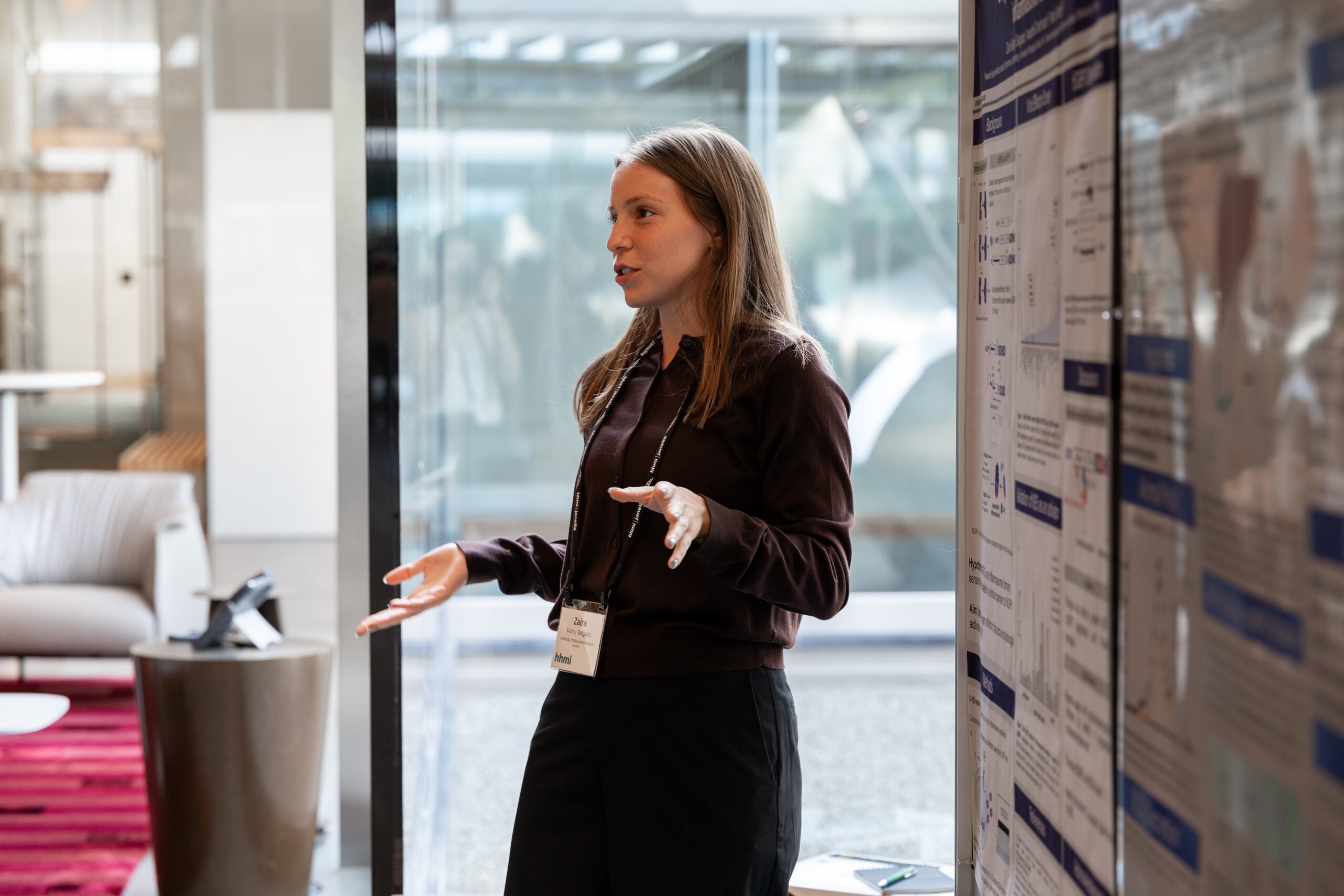
Making research less daunting: Bio 152 prepared undergraduate for prestigious research fellowship
Students
Zaira Malloy-Salgado spent the summer as an inaugural HHMI Cech Fellow. A few years ago, research was still daunting and intimidating but thanks to Biology 152, she was encouraged to take the leap.

Alumni and Friends Newsletter
Are you an alumnus or friend of the former Botany or Integrative Biology Departments? Botany and Integrative Biology have now combined their talents as the Department of Biology.
We’d love to stay in touch!
Sign up for our newsletter and we’ll send you updates on research discoveries, the student experience, and more twice a year.
Search by Category
News
-
Paint the Plant Red: a natural alternative to synthetic food dyes
Professor Hiroshi Maeda worked with CALS scientists to create a sustainable and healthy red dye from soy beans. Read more in the latest edition of Grow Magazine, produced by the College of…
-
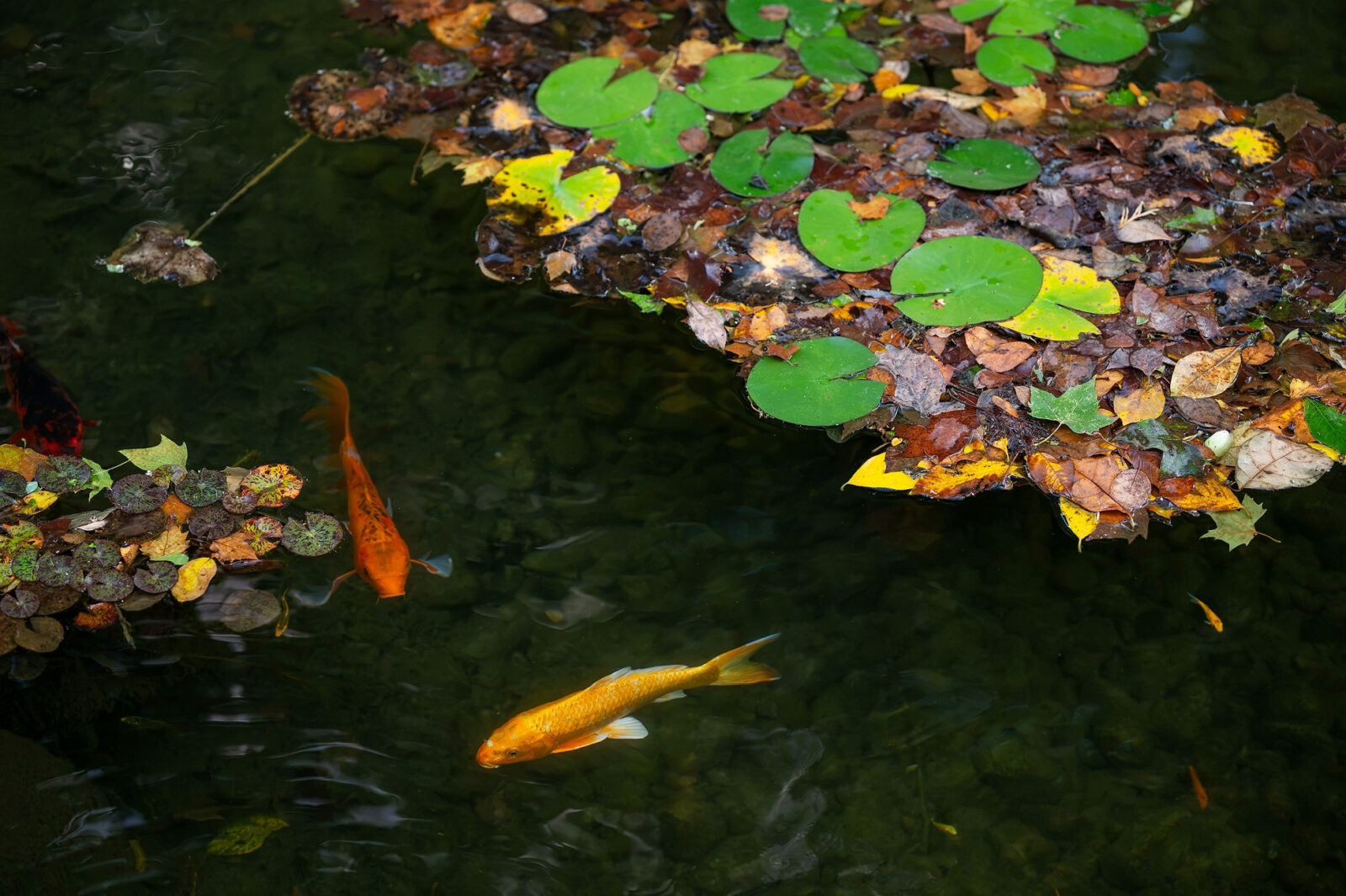
Botany Gardens featured in “A Campus to Fall For”
Take in autumn at UW–Madison, where Badgers welcome brisk days and burnished views. Read More.
-
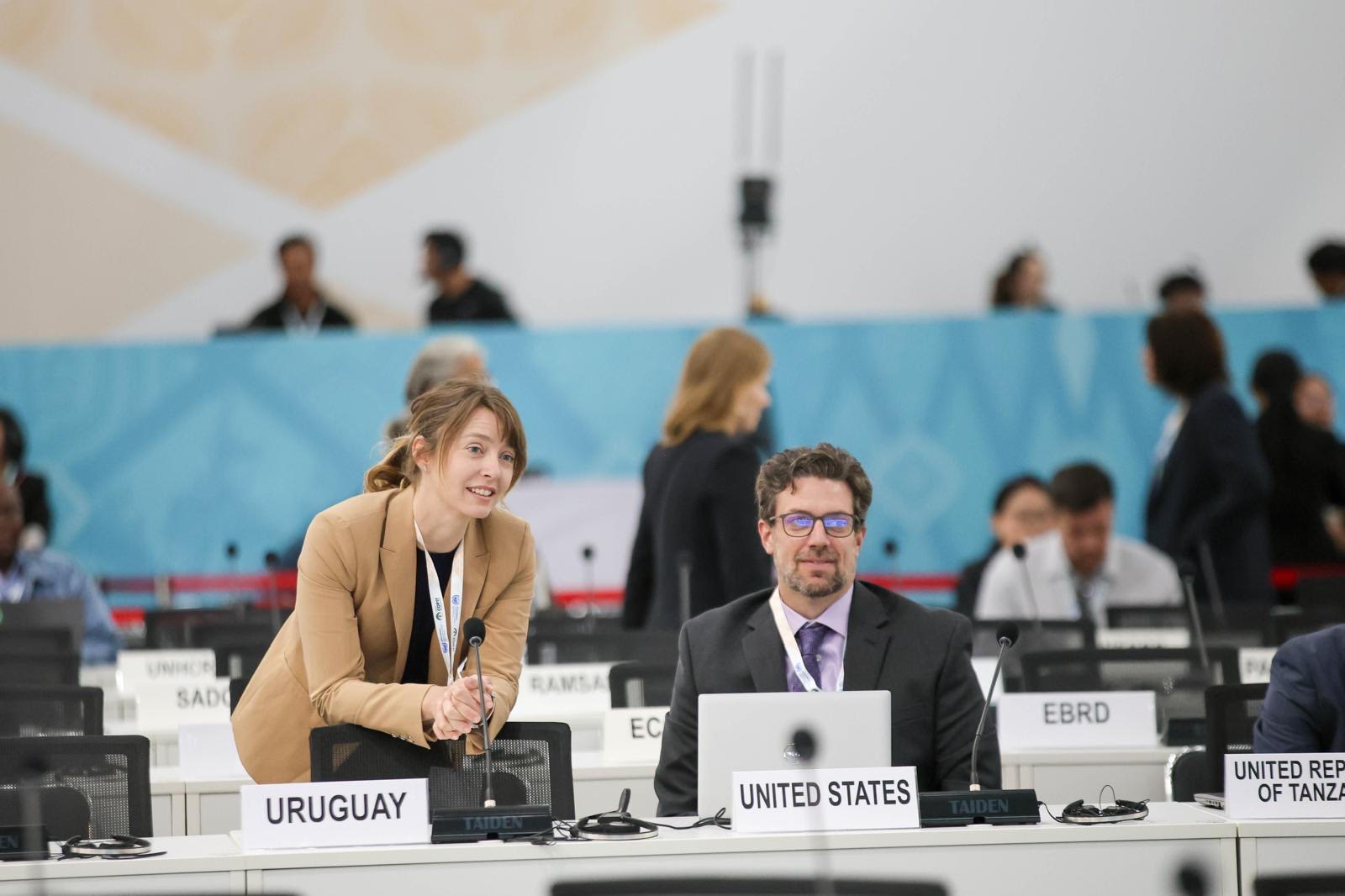
Considering land’s potential to improve mitigation of degradation, wind erosion, sand and dust storms
By: Elise Mahon A new approach to mitigate harmful wind erosion, sand and dust storms uses land potential to better match land management practices with the needs of a particular area. The…
-
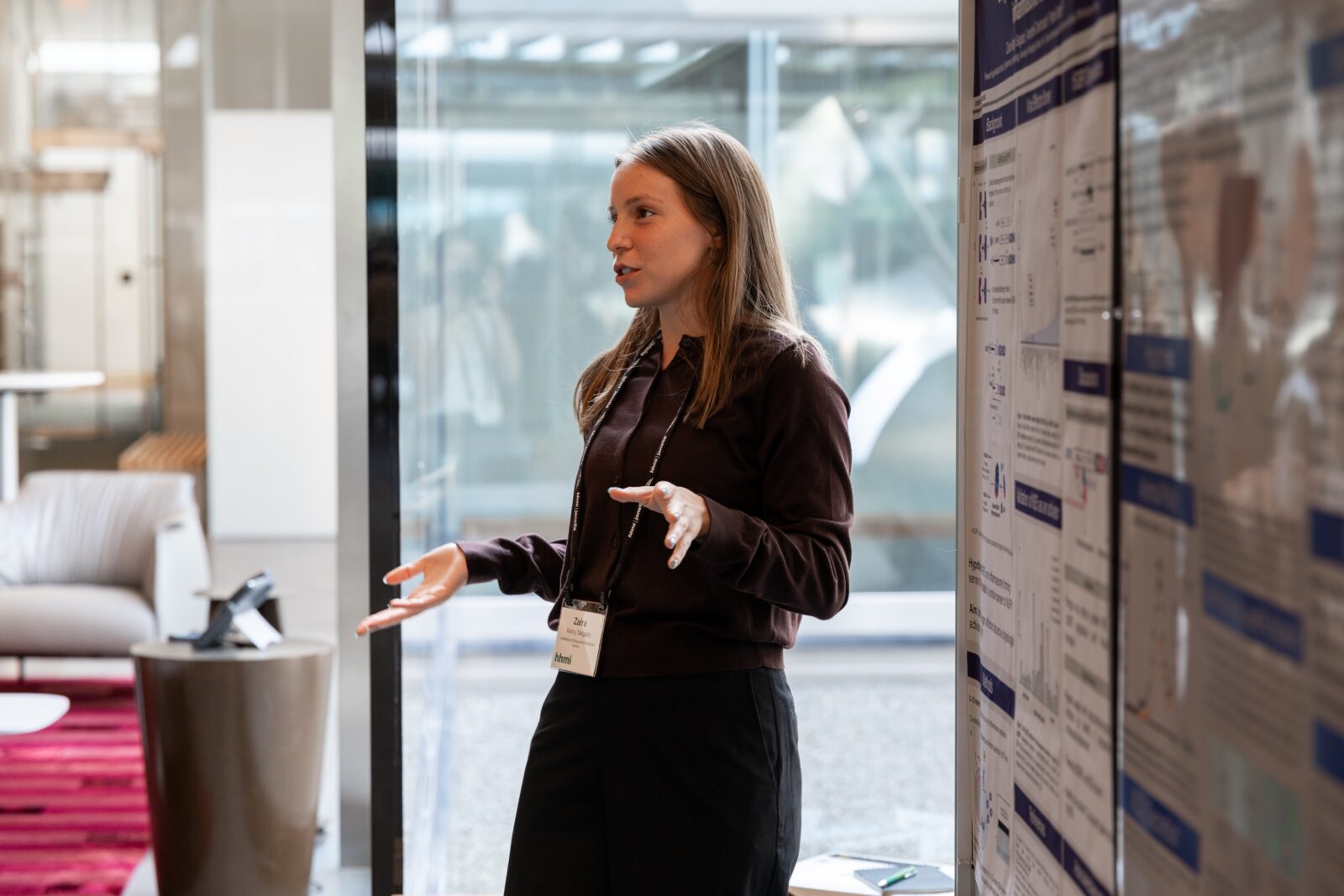
Making research less daunting: Bio 152 prepared undergraduate for prestigious research fellowship
Zaira Malloy-Salgado, a senior majoring in Molecular and Cell Biology, spent the summer as an inaugural HHMI Cech Fellow. The program matches students with HHMI scientists conducting fundamental research to advance our…
-

Faculty Q&A: Daniel Spalink uses systematics and collections to study global plant biodiversity
Daniel Spalink is a plant systematist and biogeographer. He integrates genetics with data on plant occurrences from global databases and herbaria around the world to improve our understanding of biodiversity. Spalink completed…
Media Mentions
-

The Flesh Eaters: UW Zoological museum’s Dermestarium featured on Channel 3000
Howard Veregin, the Wisconsin State Cartographer, joined John Stuhler, the curator of mammals and birds at the University of Wisconsin Zoological Museum for a trip to visit the flesh-eating dermestid beetle colony…
-
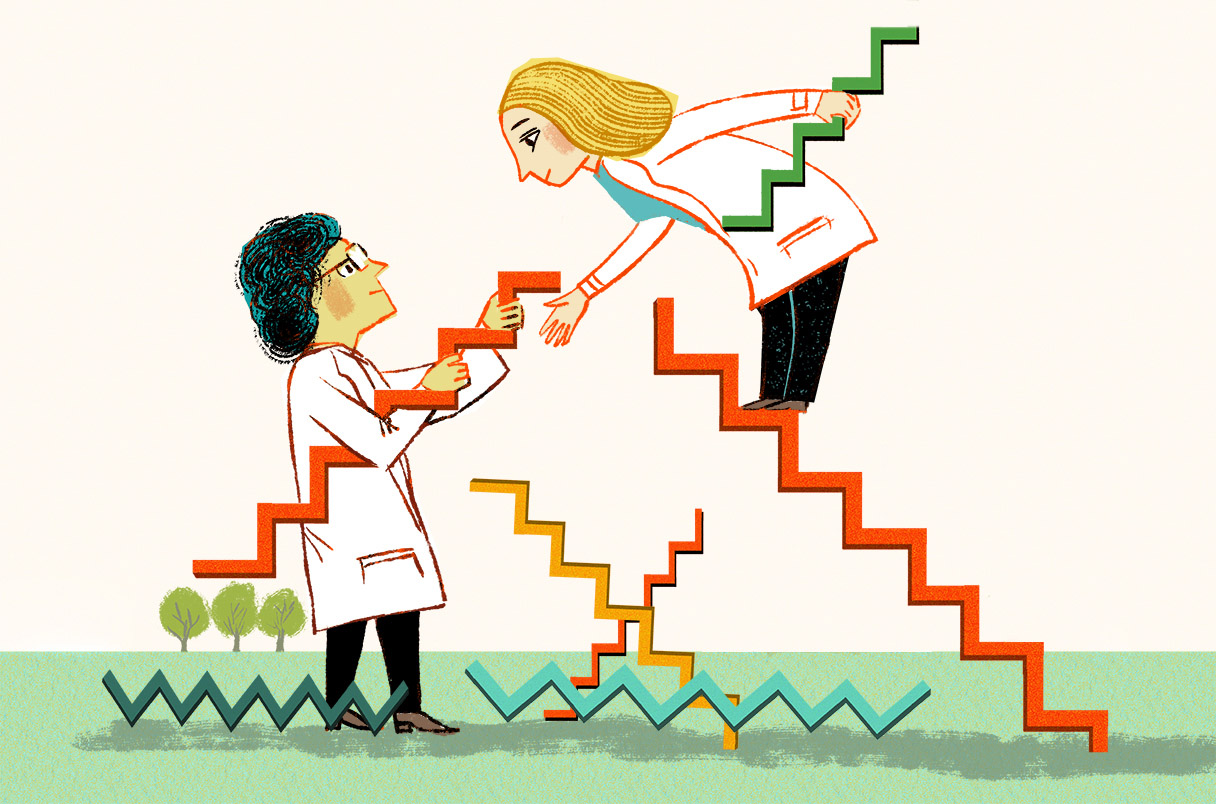
Botany Grad Student talks mentorship in Science Careers
To help readers at all career stages become the supportive mentors and supervisors they aspire to be, Science Careers asked researchers, including Botany Graduate Student Joseph Walston, to share the lessons they’ve learned on…
-
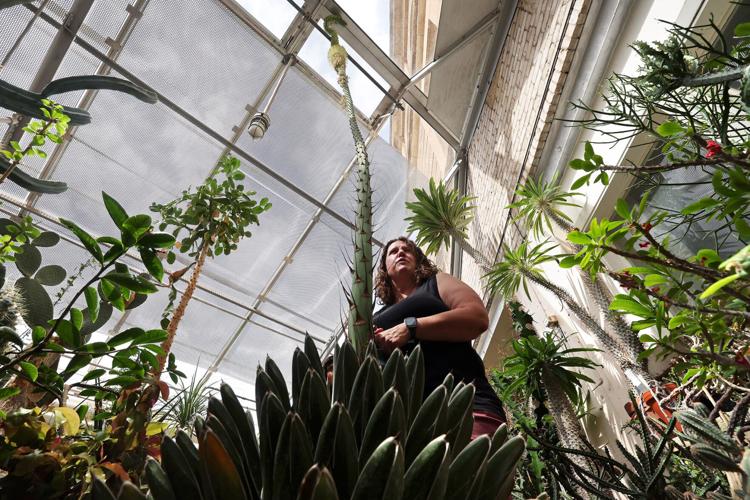
Agave Death Bloom featured as State Journal Photo of the day
UW–Madison’s Botany Garden and Greenhouse’s Agave victoriae-reginae plant bloomed in early June, catching the attention of the public and the Wisconsin State Journal. The plant, which is about 30 years old, blooms…
-

Professor Damschen talks biodiversity on WPR
Professor Ellen Damschen joins WPR’s The Larry Meiller Show to discuss why biodiversity matters in Wisconsin, and what scientists are doing to conserve plant and animal life. Listen to the episode.
-
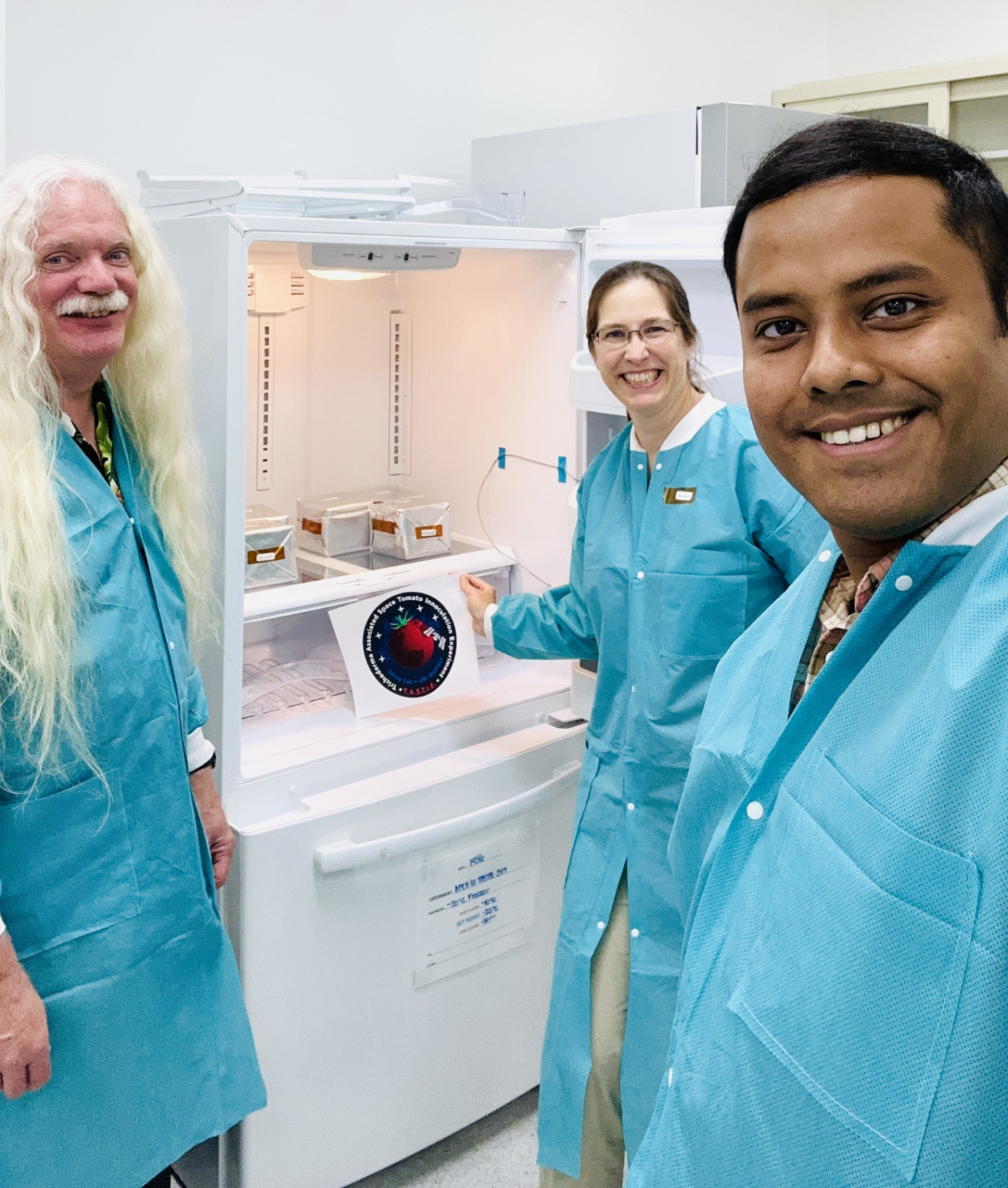
Professor Simon Gilroy on Startalk with Neil deGrasse Tyson
Are plants more aware than we think? Do they have feelings? Neil deGrasse Tyson, Gary O’Reilly, and Harrison Greenbaum explore the intelligence of plants with astrobotanist Simon Gilroy. From venus flytraps to…