
Research
Developmental Biology, Genetics/Genomics, Molecular Biology
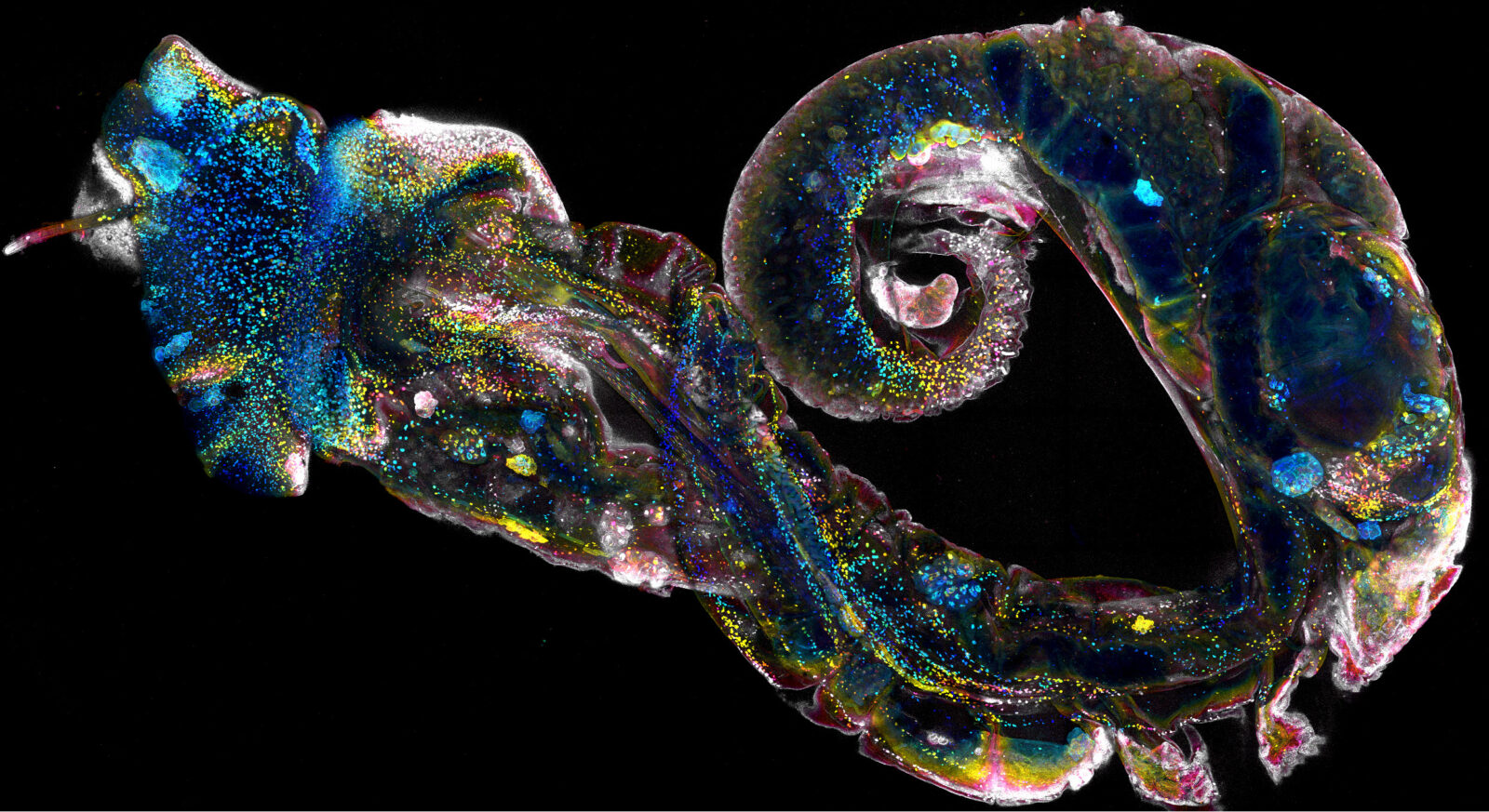
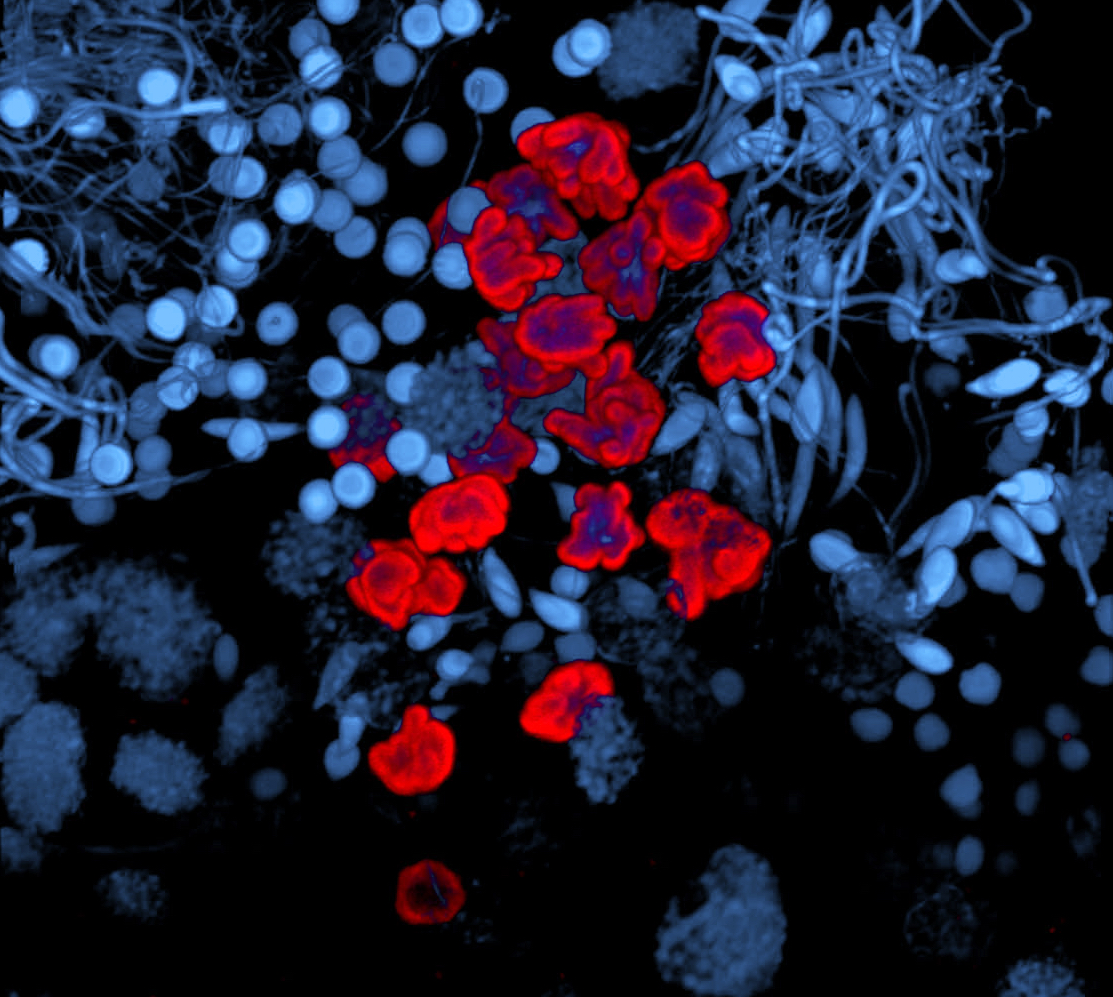
Our current research is directed at understanding the mechanisms by which the planarian somatic stem cells develop and regenerate the germ cells (the cells that make gametes). We also examine the planarian’s parasitic cousins (e.g., schistosomes and tapeworms) from a developmental perspective. The lab’s functional genomic and developmental studies have revealed the role of stem cells in driving the life cycles of parasitic flatworms and maintaining their tissues throughout their long lives. As we learn more about how these parasites infect their hosts and reproduce inside them, we hope to devise new strategies for controlling these devastating parasites that infect hundreds of millions of people in the developing world.
Education
PhD, Molecular, Cellular, and Developmental Biology, University of Colorado at Boulder, 1994
BA, Biology, Boston University, 1987