A hub for botanical research: Q&A with the Center for Botany Faculty Director
The new Center for Botany is a research hub for botanical sciences at UW–Madison housed in the Department of Biology. Members of the center will discover, archive and communicate knowledge of basic plant, fungal and algal biology across scales, from genes to ecosystems using both established and new approaches.
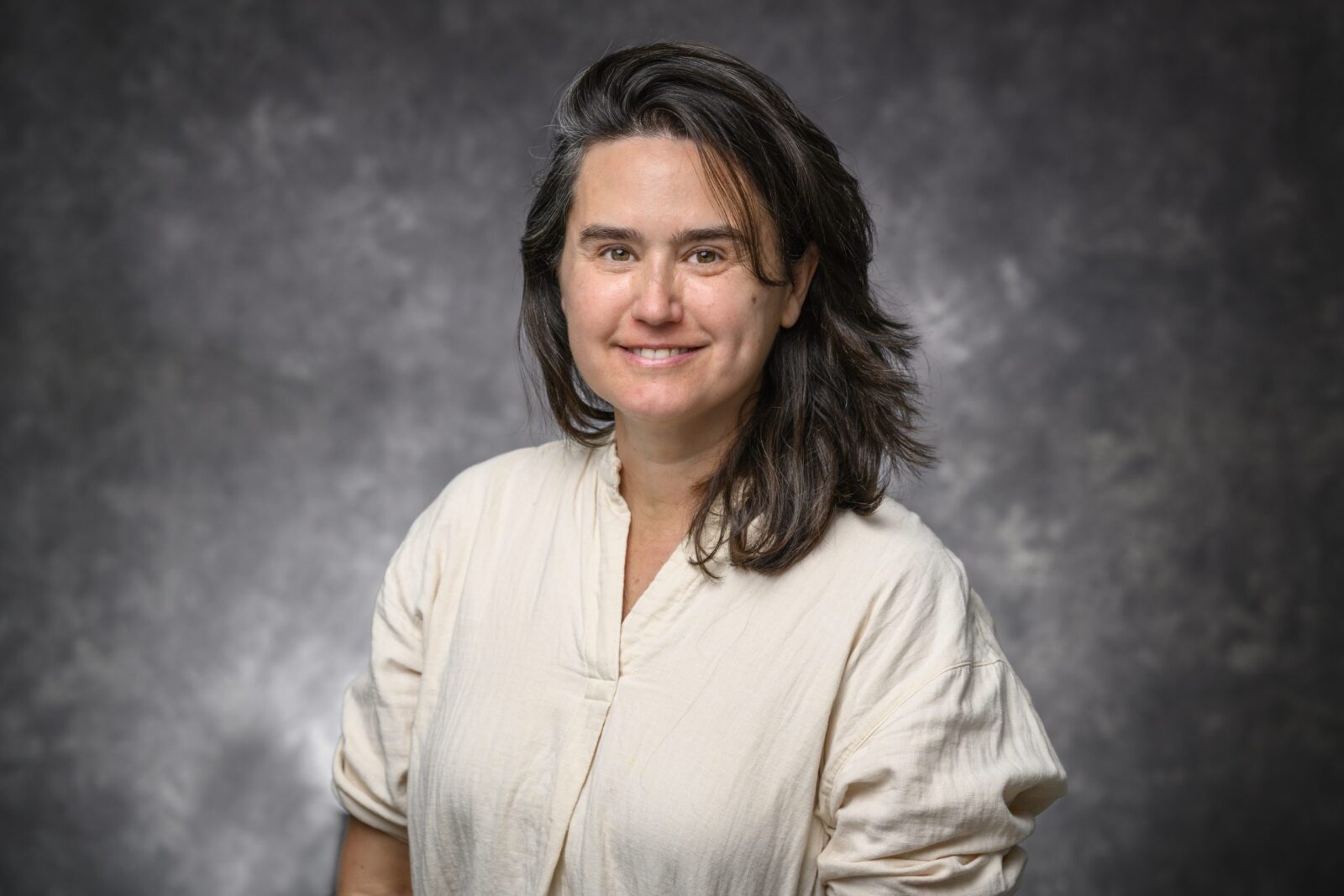
We asked Center for Botany Faculty Director Anne Pringle a few questions to learn more about the center’s mission and what to expect in the future.
What will be the Center for Botany’s mission and purpose?
I think our vision is best articulated in our mission statement, which was collaboratively crafted by our botanical community:
The Center for Botany will bring people together to explore, understand, and celebrate the worlds of plants, fungi, and algae. We will foster inclusive leadership, education, and collaboration across Wisconsin and beyond, inspiring curiosity, discovery, and recognition of the vital role these organisms play in nature, our local communities, and global wellbeing.
What kind of botanical research will happen at the Center for Botany? What kind of research questions will be investigated?
Scientists studying plants and fungi are found across campus, not just in Biology but also in departments ranging from Plant and Agroecosystem Sciences to Plant Pathology. A key aim of the Center for Botany is catalyzing interactions among botanists to enable collaboration, ideally to create more opportunities for undergraduate and graduate students and to foster better science. The specifics of what our work will look like requires conversations across campus, and we’re excited to hire a full-time Center Administrator to help us move forward.
The university has been invested in botanical sciences since its infancy. How does the Center for Botany build on that legacy?
As any parent of a college student likely knows, undergraduates nowadays are interested in multidisciplinary training. Students major in more than one field and want to learn skills from many disciplines. That makes it more important than ever to ensure undergraduates have access to hands-on research experiences that get them deeply involved in science. As we launch the Center, creating opportunities for students will be a priority.
I’m also mindful of graduate students’ needs. They not only need excellent, cutting-edge instruction and training in research, but also in skills that prepare them to share and explain their research with the public.
Looking forward, what are you most excited about with the new center? What new opportunities does it bring?
The Center for Botany is a tremendous opportunity to build different kinds of pathways and programs for students and faculty. I hope we become a hub for new ideas and a catalyst for all kinds of interesting work.
I’m most excited to think creatively and for the opportunity to try new things and take new approaches that we might not be able to in a department or individual laboratory.