Faculty Q&A: Zach Feiner studies fisheries to sustain them for both anglers and the ecosystem
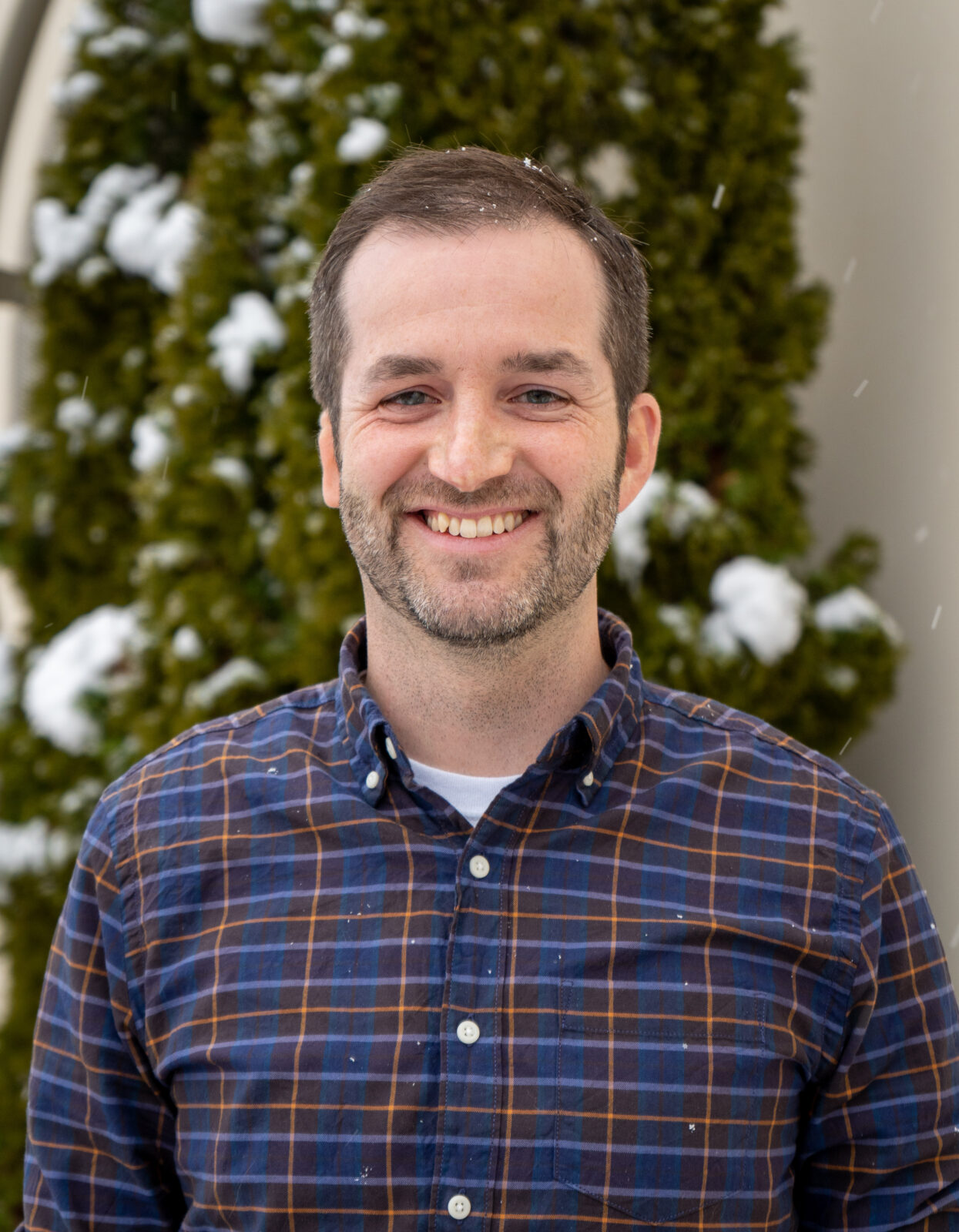
Zach Feiner is a fisheries ecologist and new assistant professor in the department of Biology. He not only studies how fish respond to changes in their ecosystem, but also what those changes could mean for anglers.
Since Feiner’s days as an undergraduate right here at UW–Madison, the Wisconsin Idea has guided his work. Now that he’s returned as an assistant professor, we sat down to learn more about how his research, teaching and mentorship will continue to help guide management for fisheries in Wisconsin and beyond.
What’s your hometown?
I am from Plain, Wisconsin which is a little town in the Driftless region, just north of Spring Green.
Can you describe your field of research?
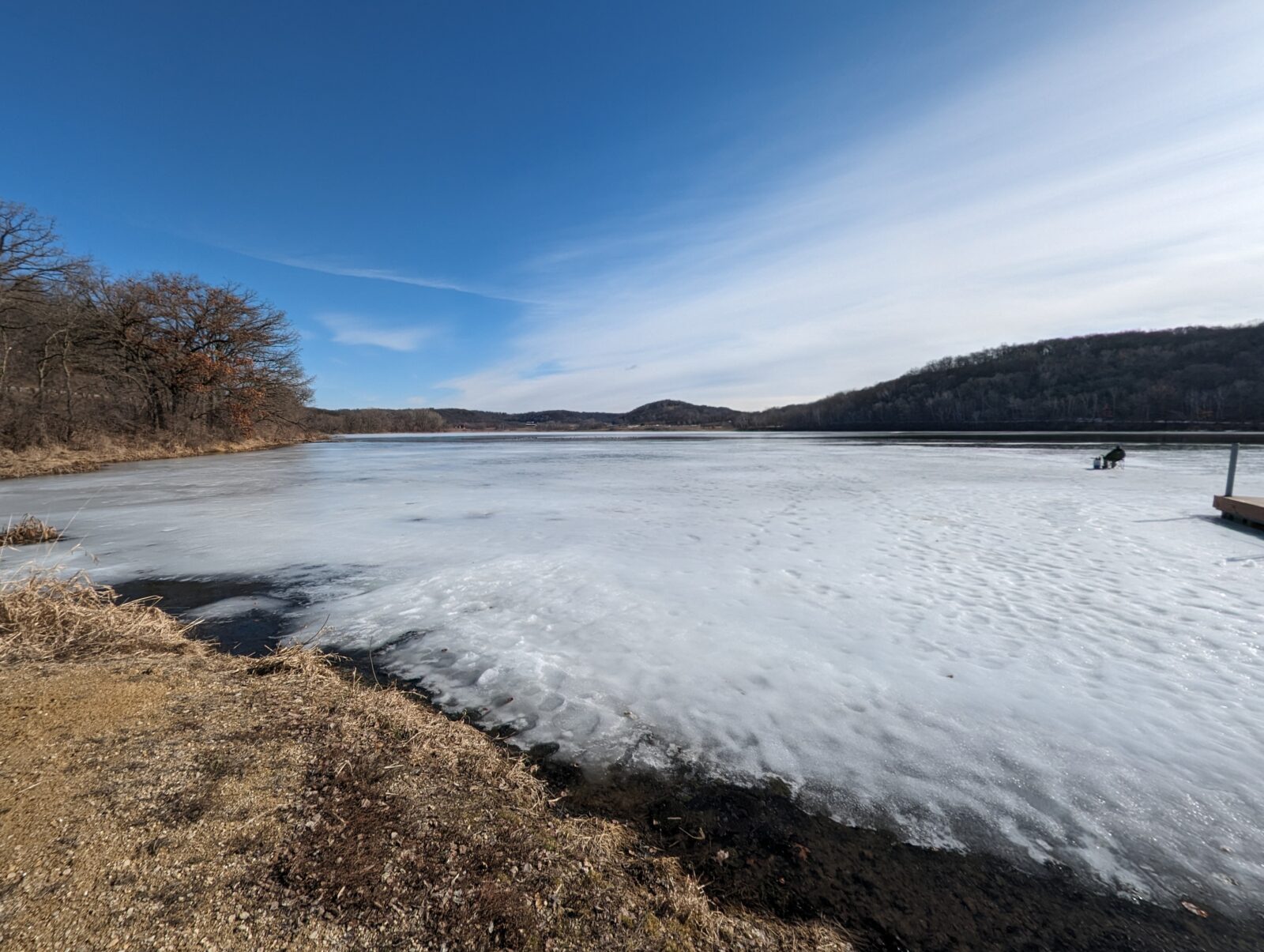
I’m a fisheries ecologist and my current research has a couple areas of focus. One area is centered around how the changing climate and changing lake ice is going to affect our lake ecosystems and our fish populations.
I also want to understand anglers’ behavior in the ecosystem, both how they’re influenced by and responding to the fish. Most of my work has potential applications for how we manage our fisheries and how we communicate about changes in our fisheries.
What drew you to fisheries ecology?
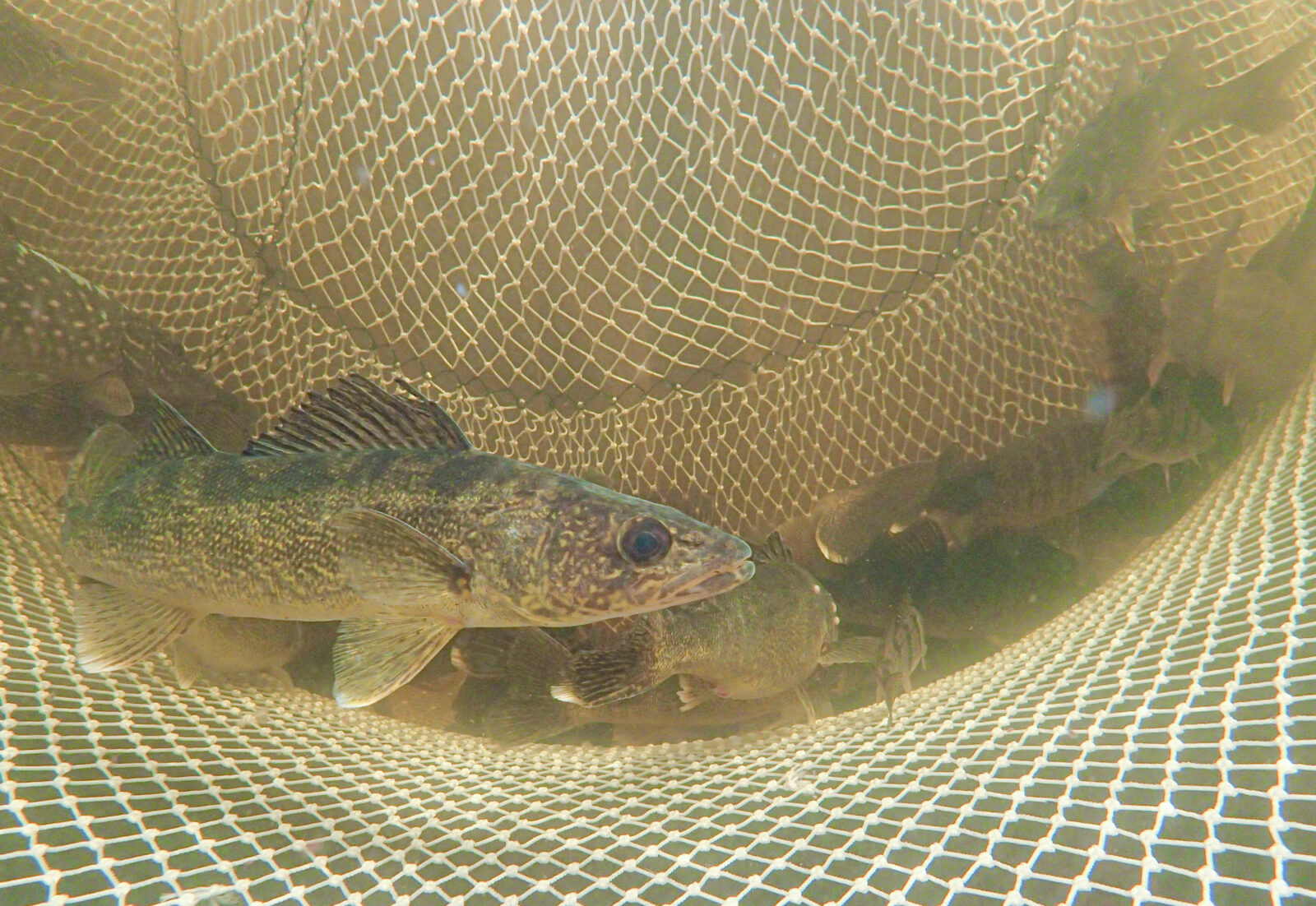
I grew up in the Driftless, on the Wisconsin River and all we did was fish. So, I gained a very early appreciation for these amazing ecosystems that people don’t always get to interact with, unless you’re an angler. The idea of there being this whole unseen world under the water is what really drove me to them.
What does your research look like?
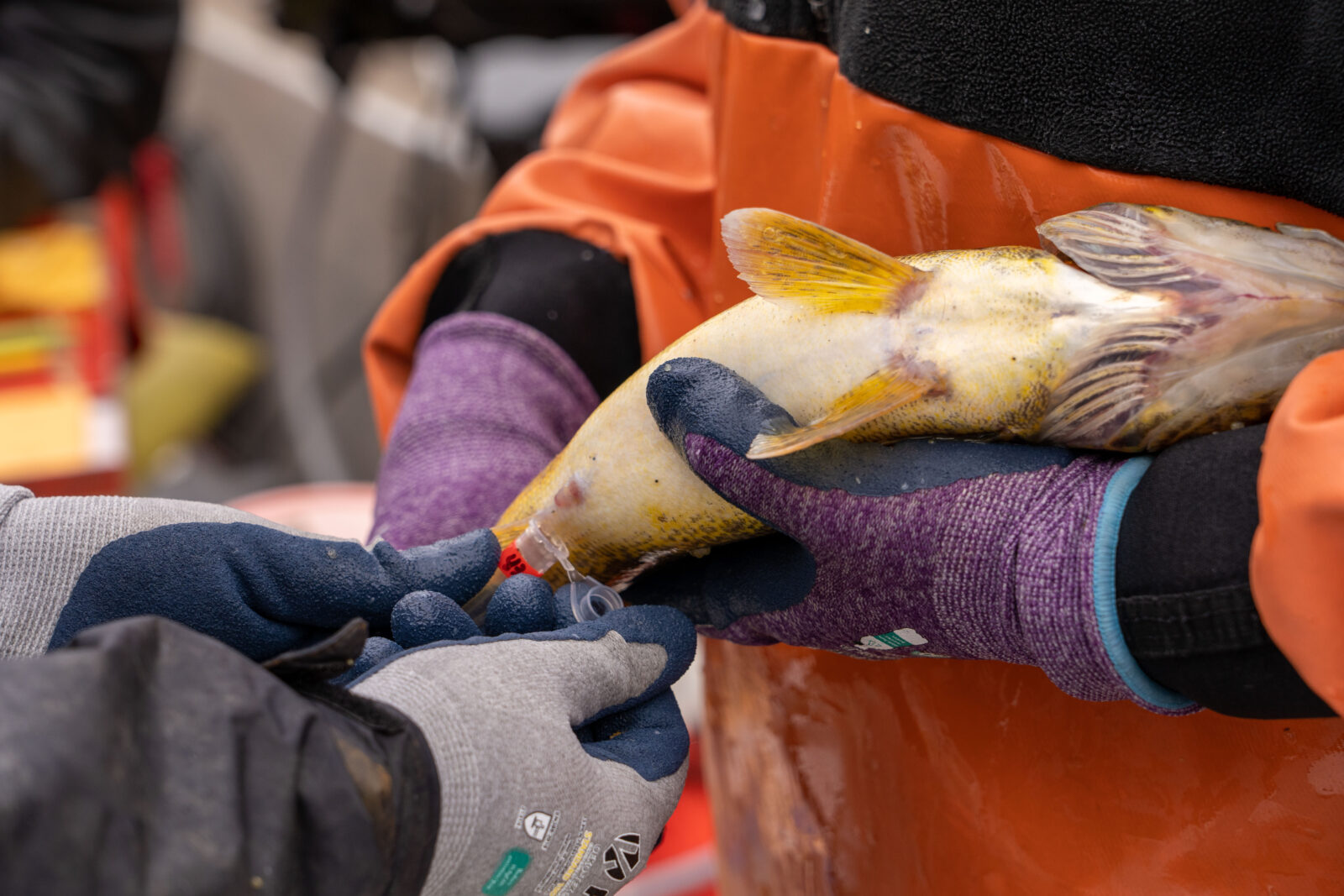
It’s a little bit of everything. In the field, my students and I are collecting fish, water quality samples, and plankton samples trying to understand what’s happening in the system.
We do a lot of modeling and analysis of big existing data sets like the North Temperate Lakes Long-Term Ecological Research Project and Wisconsin DNR data sets that have been collected over decades. Those can be really powerful and we have a lot of fun figuring out new ways to leverage those data to ask interesting and high priority questions too.
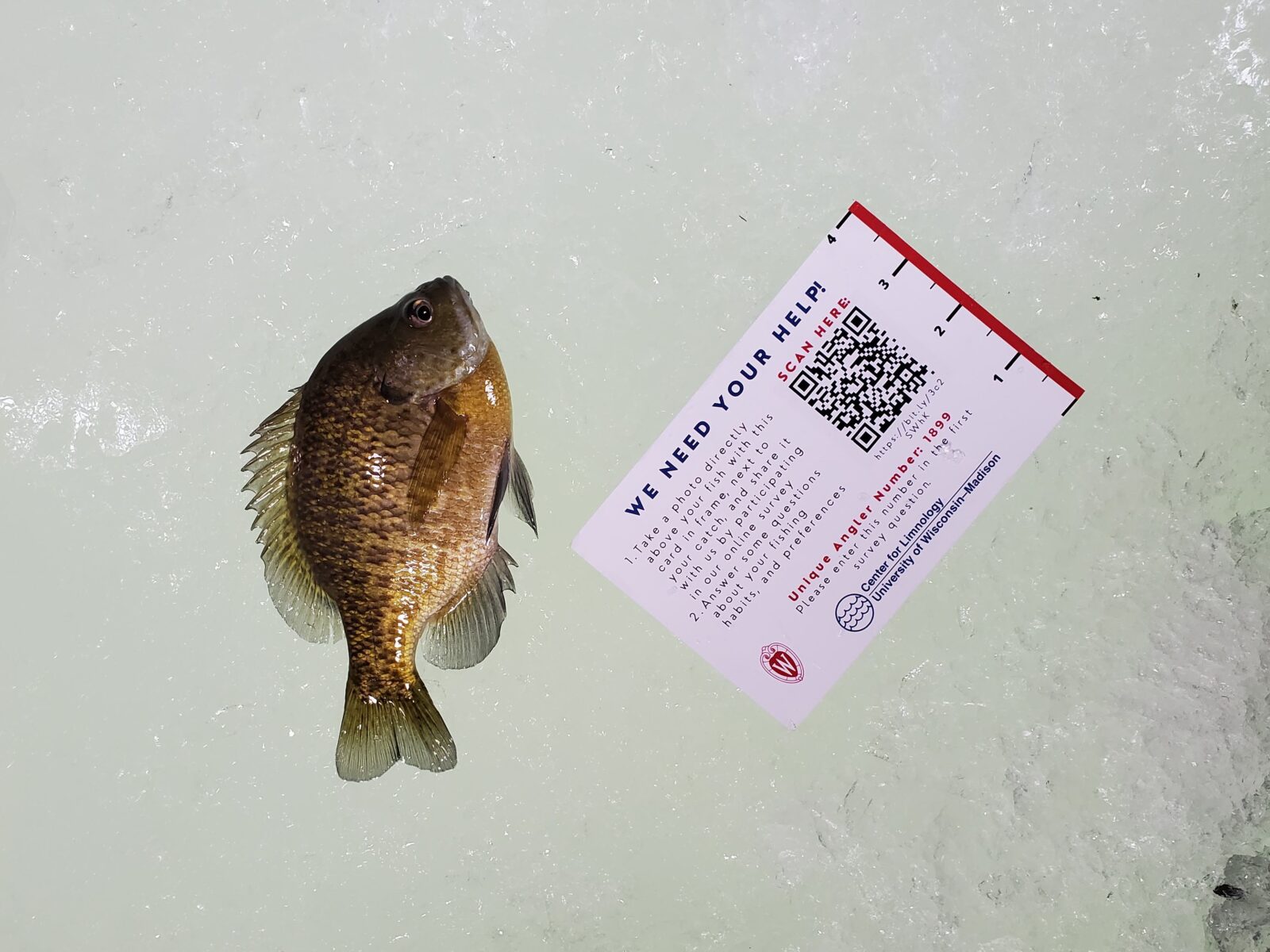
We also host workshops with fisheries managers and run surveys with anglers. It’s a lot of really trying to interact with people and having conversations about their experiences.
How do you think your work connects to the Wisconsin Idea?
The Wisconsin Idea really flows through everything I do in terms of wanting to have that applied outcome and ability to go out and help people. Whether it’s just helping people think about their ecosystem in a different way, or whether it’s actually going out and doing something different management wise… I want to be able to have that kind of outcome in my research.
You’re also an alumnus, what made you want to stick around Madison?
I’ve always loved Madison, it’s such a vibrant community. I don’t think you can get a better place to work than the Department of Biology and the Center for Limnology.
The kind of science that’s done here, the devotion to the Wisconsin Idea, the amount of water and fish we have around us…It’s such an amazing research community with brilliant colleagues. It’s always exciting to get in a room with a bunch of people smarter than you are and to talk about cool scientific questions, and I can do that every day when I come to work here.
How does your work address some of society’s biggest challenges?
Even if you’re not out fishing yourself, you probably know somebody who does. You may even live in a community supported economically by fishing.
So, trying to understand how big ecological processes, like climate change or species invasions or habitat change, are affecting communities and then how anglers are going to respond — I think it informs how people are interacting with the natural world in a lot of different ways and scales.
I’m also a RISE-EARTH hire, and so I think my work can inform a lot of sustainability objectives around how these systems are working, how sustainable or resilient they are now and what can we do to improve their resilience and sustainability in the future.
What’s something surprising about your work?
Even in the wintertime, lakes are still very much alive. They’re constantly responding to the environment, species are interacting, and the ecosystem is always functioning, always churning, always responding.
I think another surprising thing is how unpredictable people are. We actually have a pretty good sense of what the fish are gonna do, it’s really what the people are gonna do that’s a bigger question sometimes.
What hobbies do you enjoy outside of work?
Probably predictably, I really like to fish. I am attempting to learn to fly fish now, too. My partner and I have a five-year-old daughter, so we spend a lot of time hanging out with her, cooking together and trying new foods. I’m also a big Wisconsin sports fan, we love the Badgers and the Brewers!