Building on legacies: A look back at the origins of Botany and Integrative Biology
Officially launched in Summer 2026, the Department of Biology brings together the former botany and integrative biology (aka Zoology) departments. These two former departments both have strong histories of rigorous teaching, research discovery, and commitments to mentorship and service.
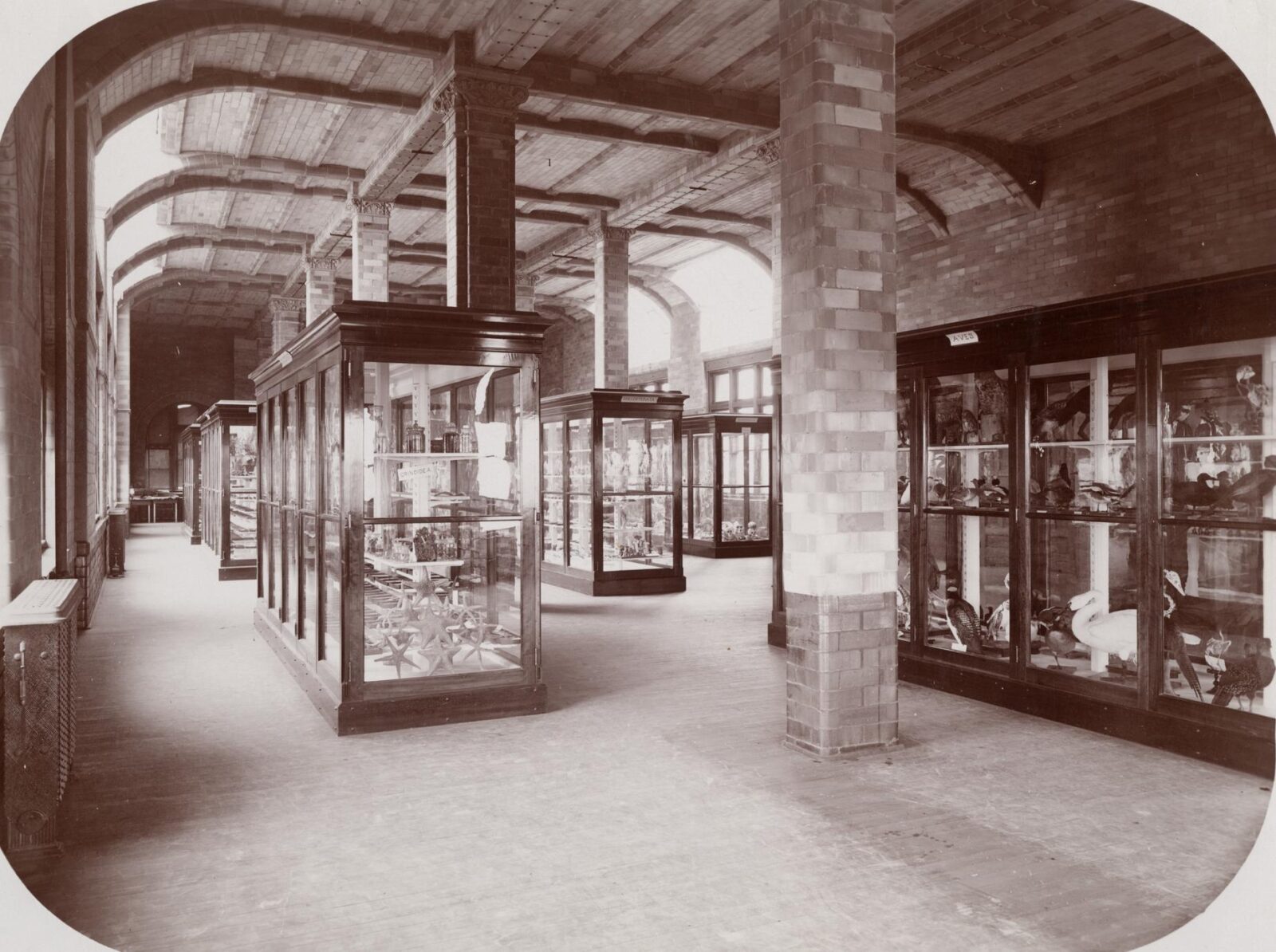
The foundations of both departments can be traced back to the late 1840s, in the earliest days of the university. The Board of Regents deemed it “expedient and important” for the university to immediately begin specimen collection for the formation of a cabinet of natural history. This cabinet would not only create as a historic record of various biological organisms across Wisconsin and the Midwest but also serve as an important teaching collection for students.
The cabinet began receiving submissions of various vertebrate and botanical specimens. The collections in this cabinet would later become what we now call the UW Zoological Museum and Wisconsin State Herbarium.
In these early years of the university, zoology and botany were interconnected and made-up student’s instruction in biology. Zoology itself had not yet become a differentiated field and botany at the time was mostly concerned with naming, describing and cataloging plants for local herbaria.
Coursework soon began to push the boundaries of this definition of botany though. Records of botany coursework from the 1850s described the curriculum as teaching students to consider the plant first “as an individual in reference to the natural and processes of vegetable life; second, its relation to other plants, or the vegetable kingdom; third, its uses.”
Instruction in all sciences at the university were focused on their practical uses and applications. Because of this, early zoology likely had a slant toward human health and hygiene as well as agricultural applications. Botany too had a skew toward agricultural applications to provide benefits to farmers.
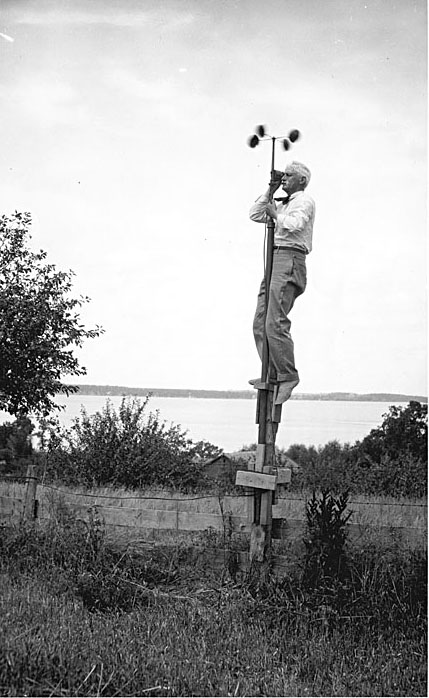
True to the Wisconsin Idea, this emphasis on sharing information and practical applications of sciences with the public continued throughout the development of both botany and zoology. Botany students learned to collect, mount, and describe small herbaria, augmenting the university collection and providing vital skills to take to other herbaria. Often, farmers would send in samples of plants they needed help identifying to university botanists as well.
Short courses were even given for farmers by professors of zoology and botany with special emphasis on information with “direct bearing on everyday matters on the farm”. Wisconsin farmers could attend lectures in chemistry, botany, entomology and applied agricultural practices.
As more students enrolled, the university grew and faculty with new areas of expertise were hired. Both Botany and Zoology also continued to grow and differentiate as scientific fields.
In 1866, the university was reorganized into three colleges: arts, letters and professional. With this curricular rearrangement in the College of Letters, zoology appears for the first time as a science in its own right and coursework begins to include comparative anatomy and entomology, with emphasis on applications for agriculture.
By 1869, the College of letters was equipped to provide graduate instruction in botany. The next year, graduate instruction in zoology was provided as well.
Edward Asahel Birge arrived to campus in 1875 as an instructor in natural history. He was the only professor of biological sciences at the time. This is also around the time that laboratory-based instruction began to be more common at the university.
Birge played a pivotal role in the expansion and growth of biological sciences on campus. He became Dean of the College of Letters in 1891 but continued instruction and research. In addition to advocating for improved facilities and resources for biological sciences, Birge became a pioneer in the study and instruction of limnology.
The first professor of botany arrived at the university in 1883 by the name of William Trelease. This is the first indication of the division of the field of biology at the university into botany and zoology.
From this point on, foundational instruction in biology was organized as a combination of two distinct terms or semesters, one of botany and one of zoology, each taught in its own department-which is the general pattern that has persisted from that day to the present at Wisconsin.
By the end of the century, biological sciences had transformed from a single department with one professor, into some four separate departments.
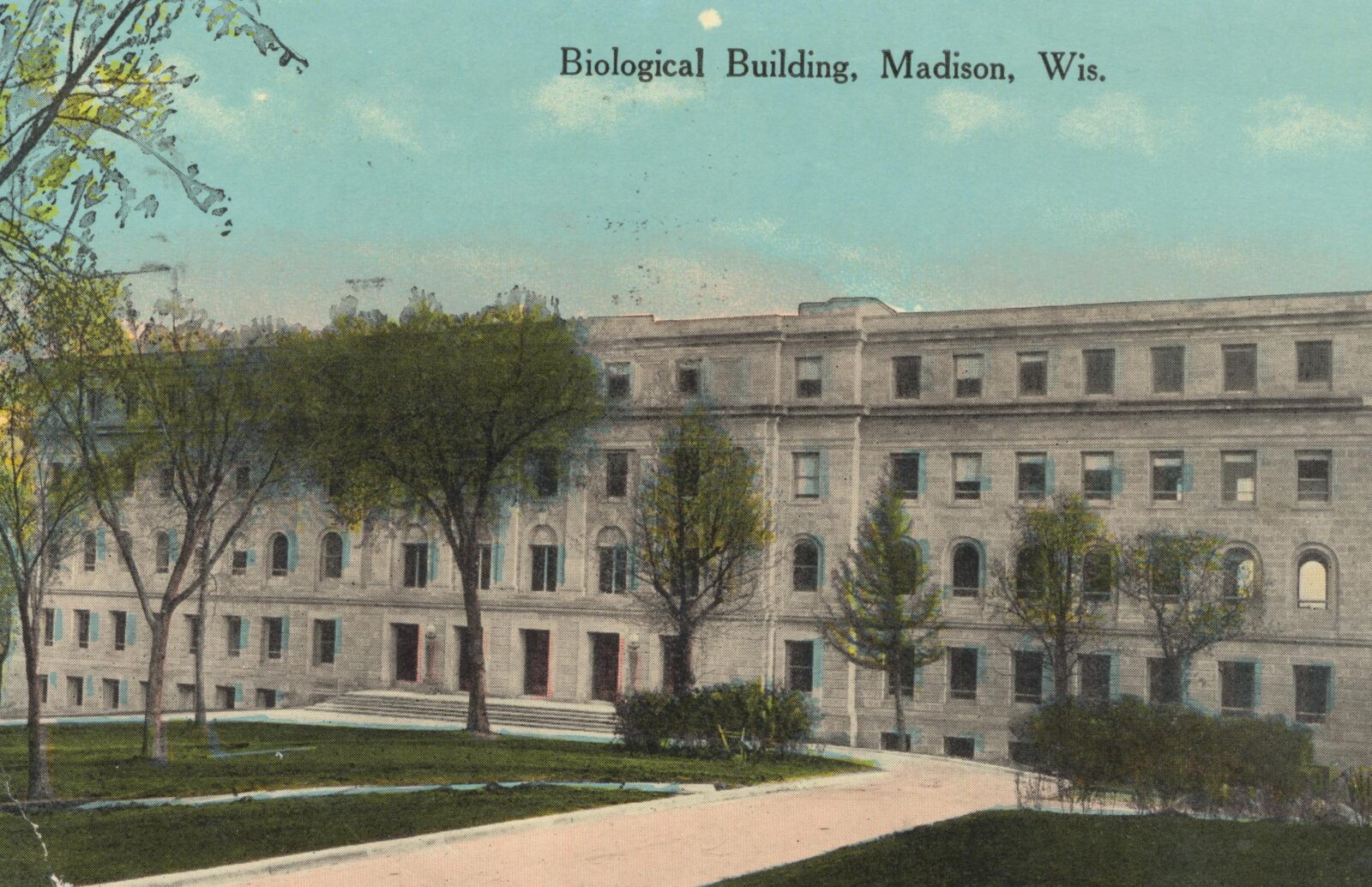
By 1905, the biological sciences had grown so much that they needed more space than was available in their current facilities, Science Hall. Birge took the lead in a successful campaign for appropriations to construct a new building. In accordance with Birge’s vision, the Biological Building was completed in 1912 and housed both Botany and Zoology together. After Birge’s passing in 1950, the Biological Science Building was renamed in his honor as Birge Hall.
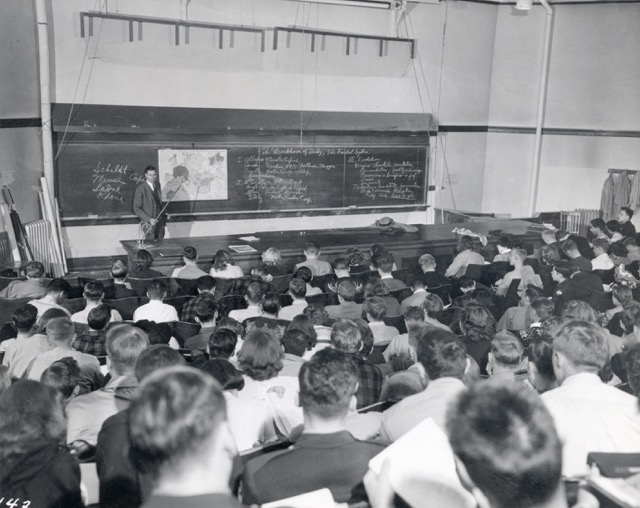
Both Botany and Zoology continued to grow and diversify as sciences and as departments at the university, driven by increases in student enrollment and needs. For example, as more students sought foundational education in Biology to prepare for medical school, the Zoology department developed a specific pre-med curriculum.
Naturally, the departments produced more diversified research publications over time as well, continuing to collect and discover new information about the natural world.
In 2017, to better describe the range of biological sciences studied in the department, Zoology renamed themselves as the department of Integrative Biology.
Today, the diversity of research remains strong as faculty and students continue to study all kingdoms and scales of life: from molecules to entire ecosystems, across plants, fungi, and animals.
As Botany and Zoology rejoin one another under the Department of Biology, there will be new opportunities to share expertise, ask new questions, collaborate with other biological sciences across campus, and continue to innovate instruction and research.