
Research
Cell Biology, Genetics/Genomics, Molecular Biology, Physiology
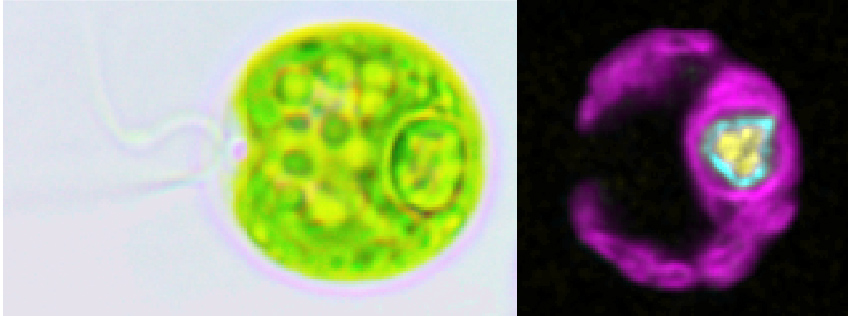
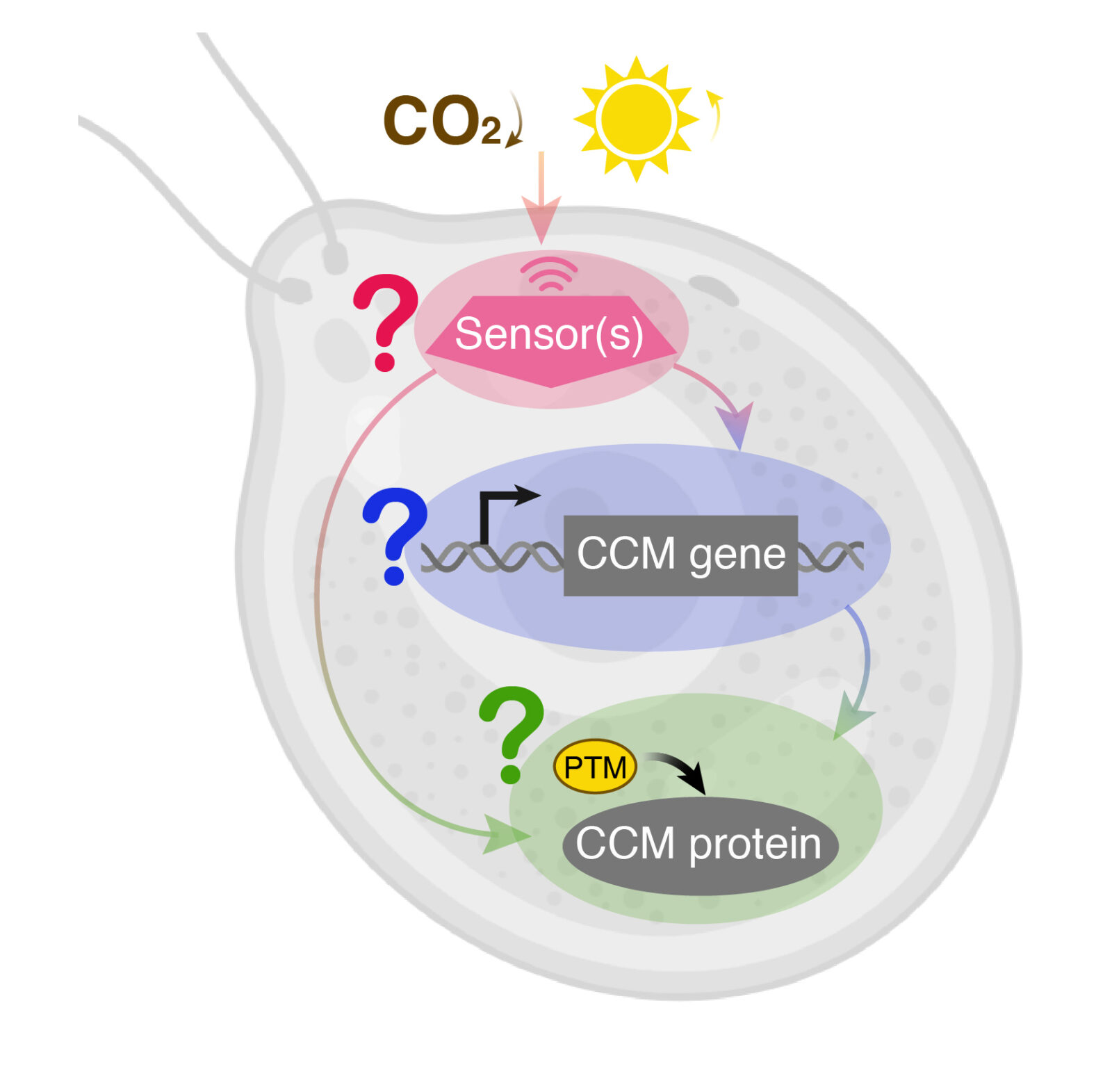
Our lab investigates how eukaryotic algae regulate their photosynthetic strategies in response to fluctuating environmental conditions. Approximately 30–40% of global CO2 fixation is mediated by eukaryotic algal CO2-concentrating mechanism (CCM). Engineering this mechanism into crops holds significant potential to substantially increase yields. Using interdisciplinary approaches including genetics, biochemistry, biophysics, molecular biology, and cell biology, we investigate the molecular mechanisms underlying the tight regulation of the algal CCM, which ensures efficient energy use and adaptation to changing environments. Our work advances understanding of the global carbon cycle and provides insights for engineering algal CCM for agricultural and ecological applications.
Education
Postdoc, Algal molecular biology, Princeton University, 2016-2024
PhD, Plant molecular and developmental biology, Peking University, 2013
BA, Bioscience and Biotechnology, Nanjing Agricultural University, 2007