By Elise Mahon
This past July, the Wisconsin State Herbarium and Botanical Club of Wisconsin hosted their 8th annual foray. Over the course of three days, a total of 46 volunteers explored habitats throughout La Crosse County, Wisconsin to document their flora.
Each year the foray is held in a different region of Wisconsin, inviting plant enthusiasts, students and professional botanists alike into the field to help with the collection.
“The Foray is a way to document the flora in parts of the state we consider to be under-collected or not well-represented in the herbarium,” says Mary Ann Feist, research curator of the Wisconsin State Herbarium. “It’s also a great outreach activity to make people aware of what we do and who we are.”
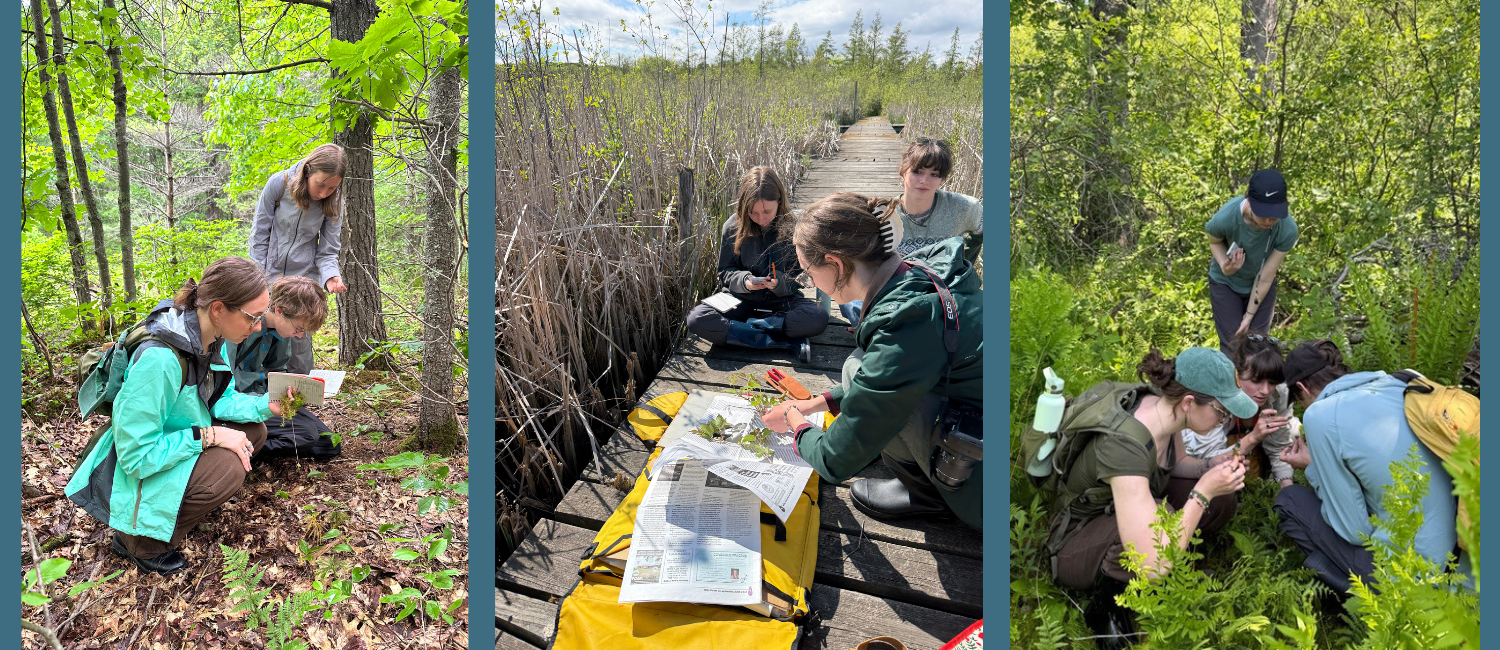
This year’s group of volunteers consisted of professional botanists from the DNR, both active and retired professionals from the Wisconsin State Herbarium, amateur botanists from across the state, a high school student, and students from UW–Madison, UW Stevens Point, UW La Crosse, and Madison Area Technical College.
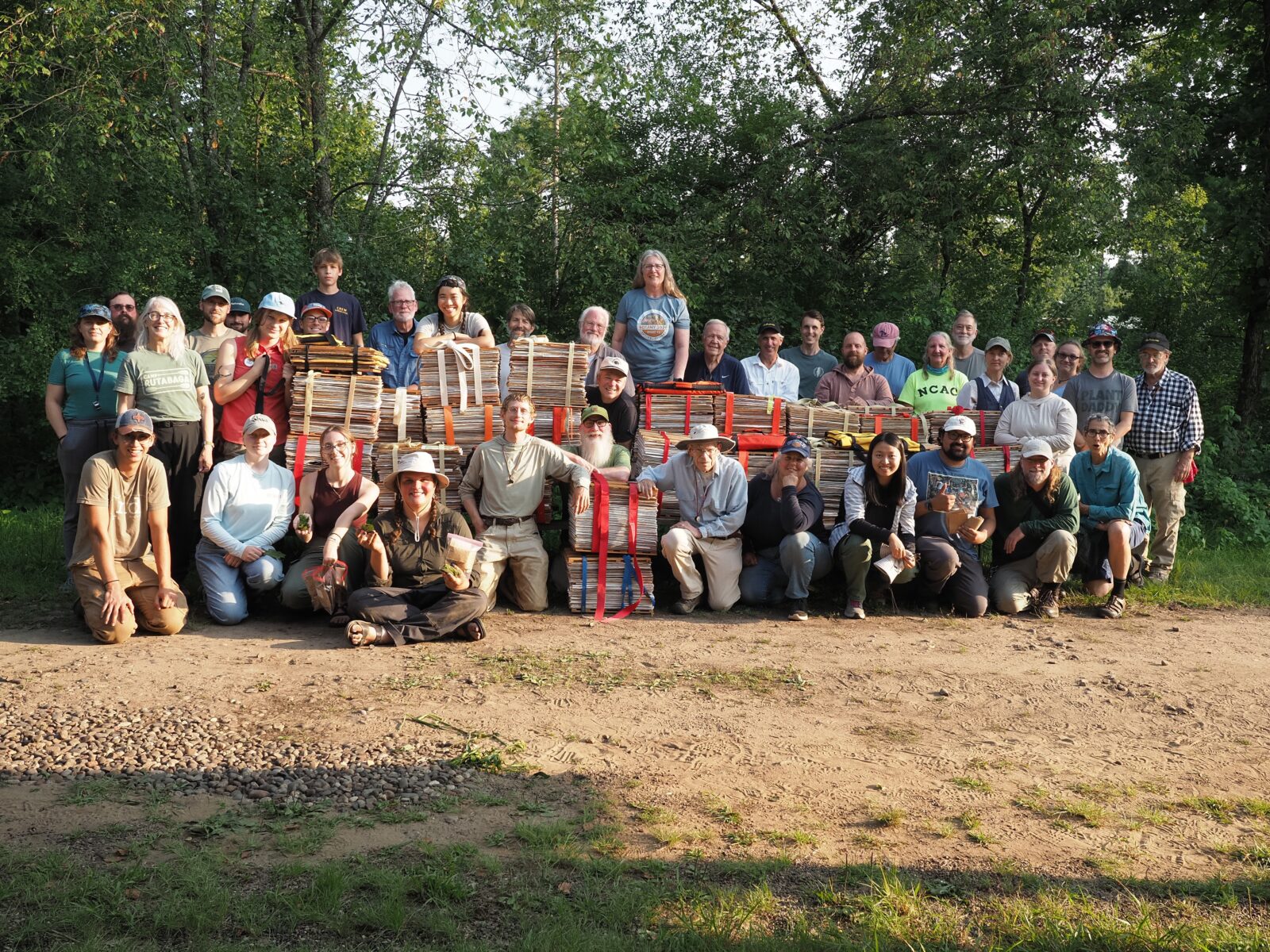
While the stacks between volunteers pictured above might look like big bundles of newspaper, it’s actually over 1,200 plant specimens. Each specimen was carefully collected from the field and pressed to be taken back to the Herbarium so it can be officially identified and catalogued.
In addition to specimen collection, volunteers log their finds in an iNaturalist project. This year, the group made over 850 observations, consisting mostly of plants but with a few bonus fungi and critters as well.
The Wisconsin State Herbarium traces its history all the way back to the beginning of UW, when the founders deemed it “expedient and important” for the university to immediately begin specimen collection for the formation of a cabinet of natural history. This cabinet would not only serve as a historic record of various biological organisms across Wisconsin and the Midwest but also serve as an important teaching collection for students.
Now, the Wisconsin State Herbarium conducts various field opportunities throughout the year with students, staff, faculty, and volunteers to support its mission of documenting and increasing knowledge about the state and the world’s flora.
Take a closer look at some of the specimens collected and observed during this year’s foray:
Common Finds
Tried and true favorites, these specimens are great examples of the flora that are native to the habitats of the Northern Driftless Area.
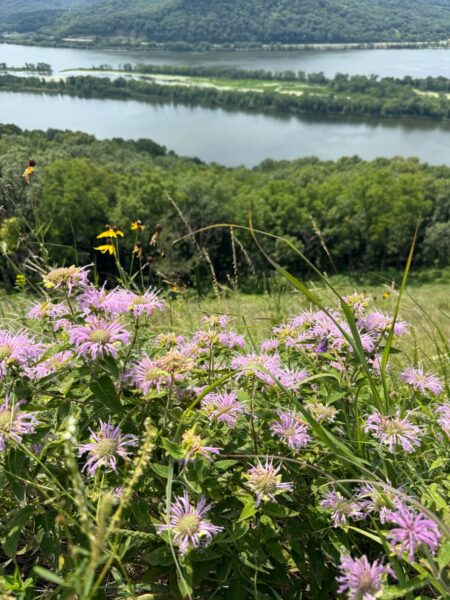
(Monarda fistulosa)
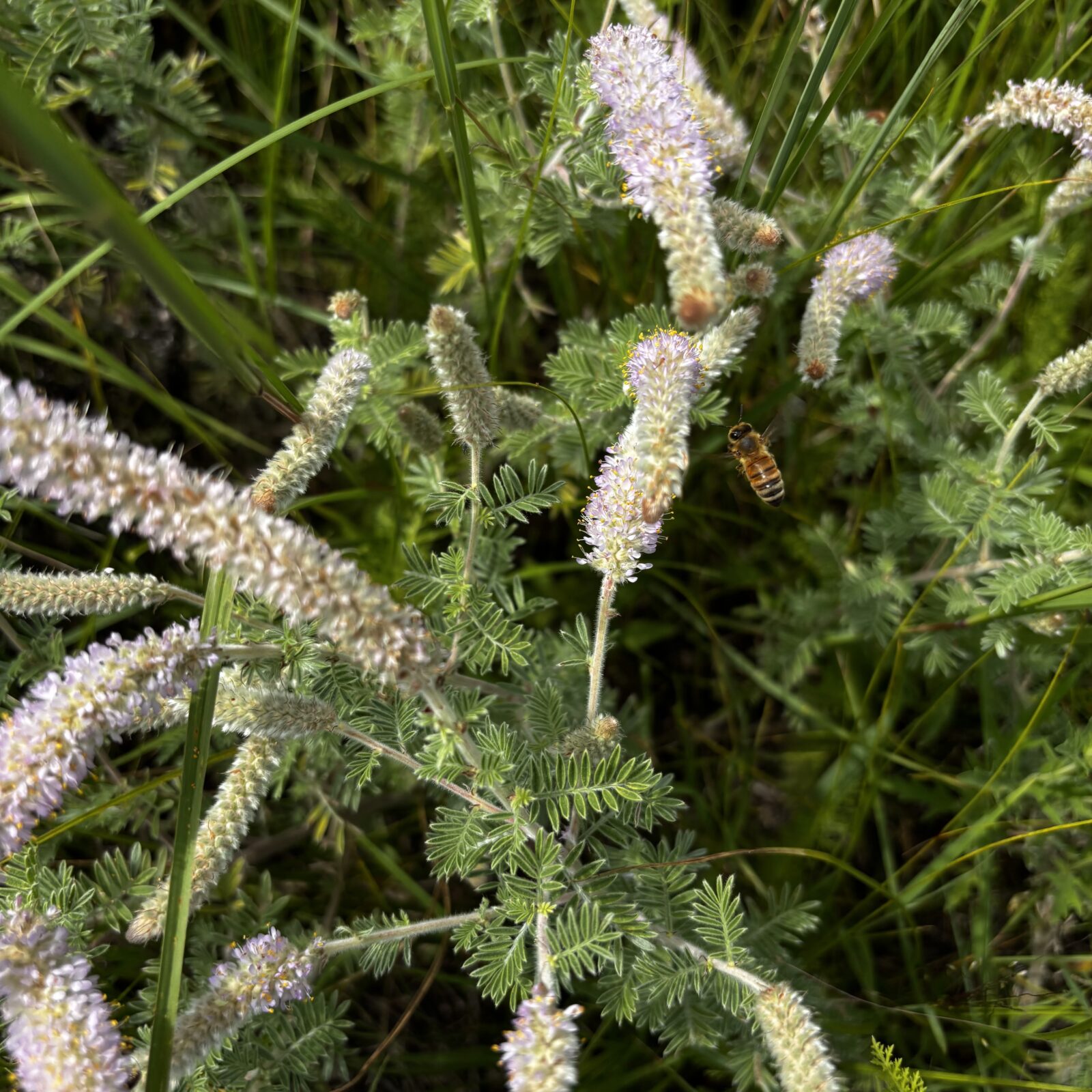
(Dalea villosa)
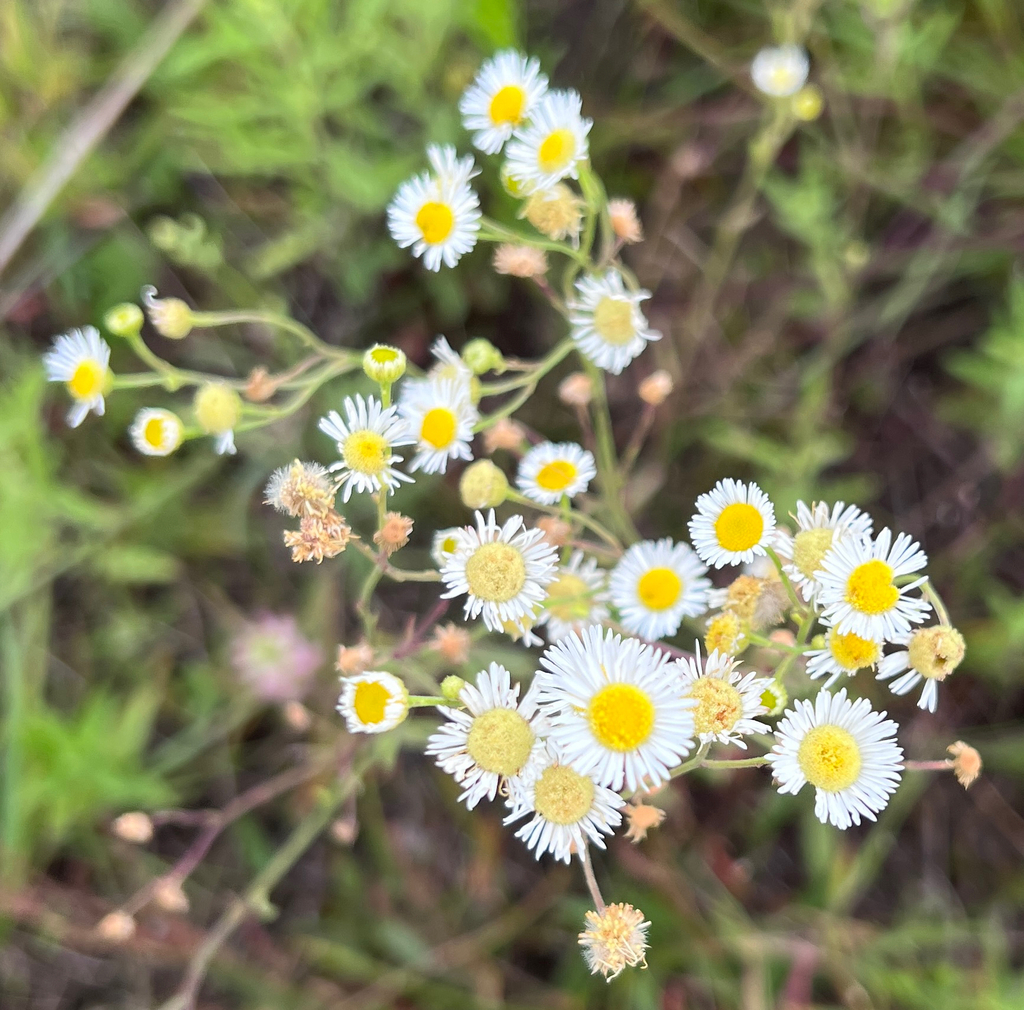
(Erigeron strigosus)
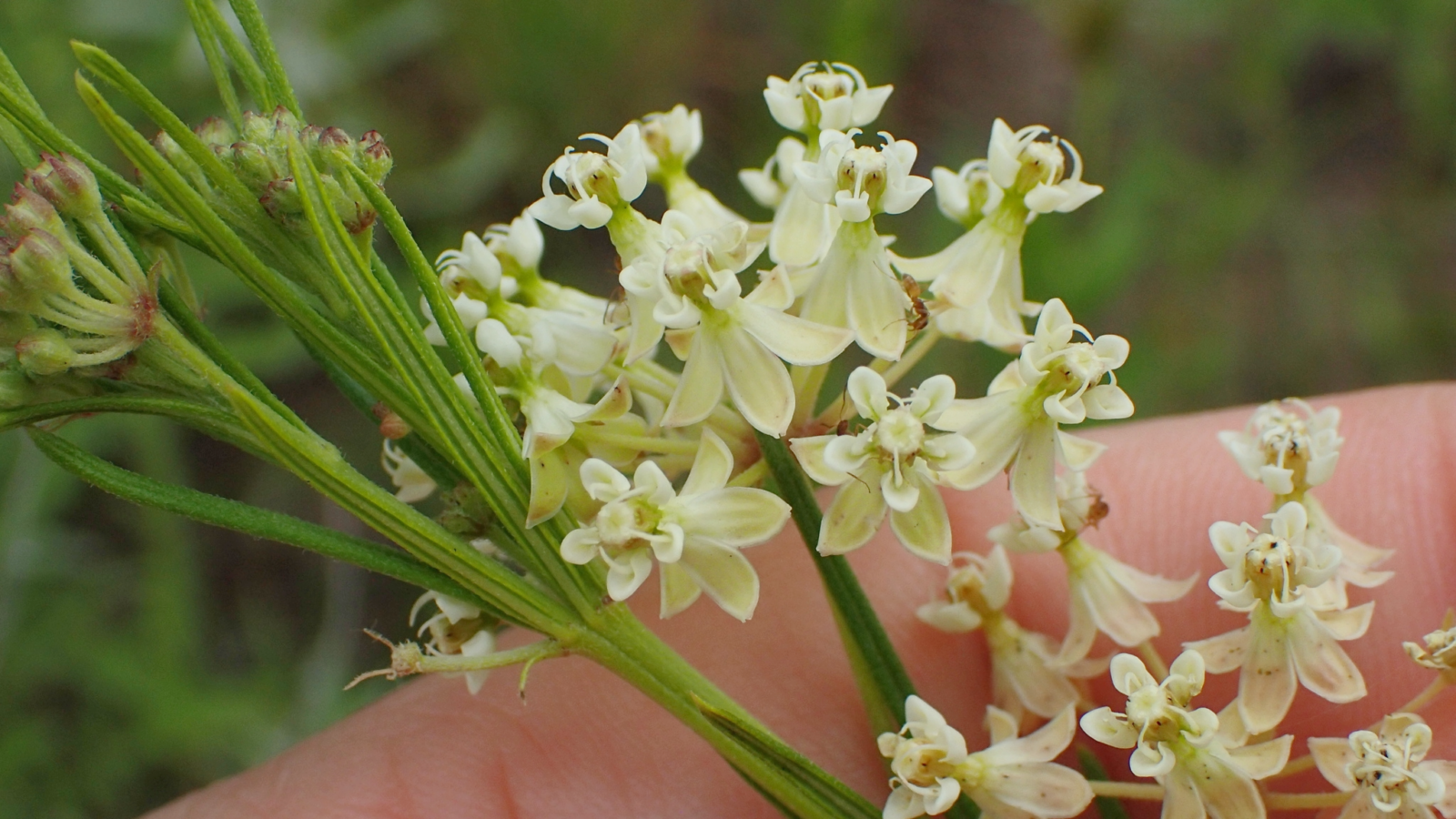
(Asclepias verticillata)
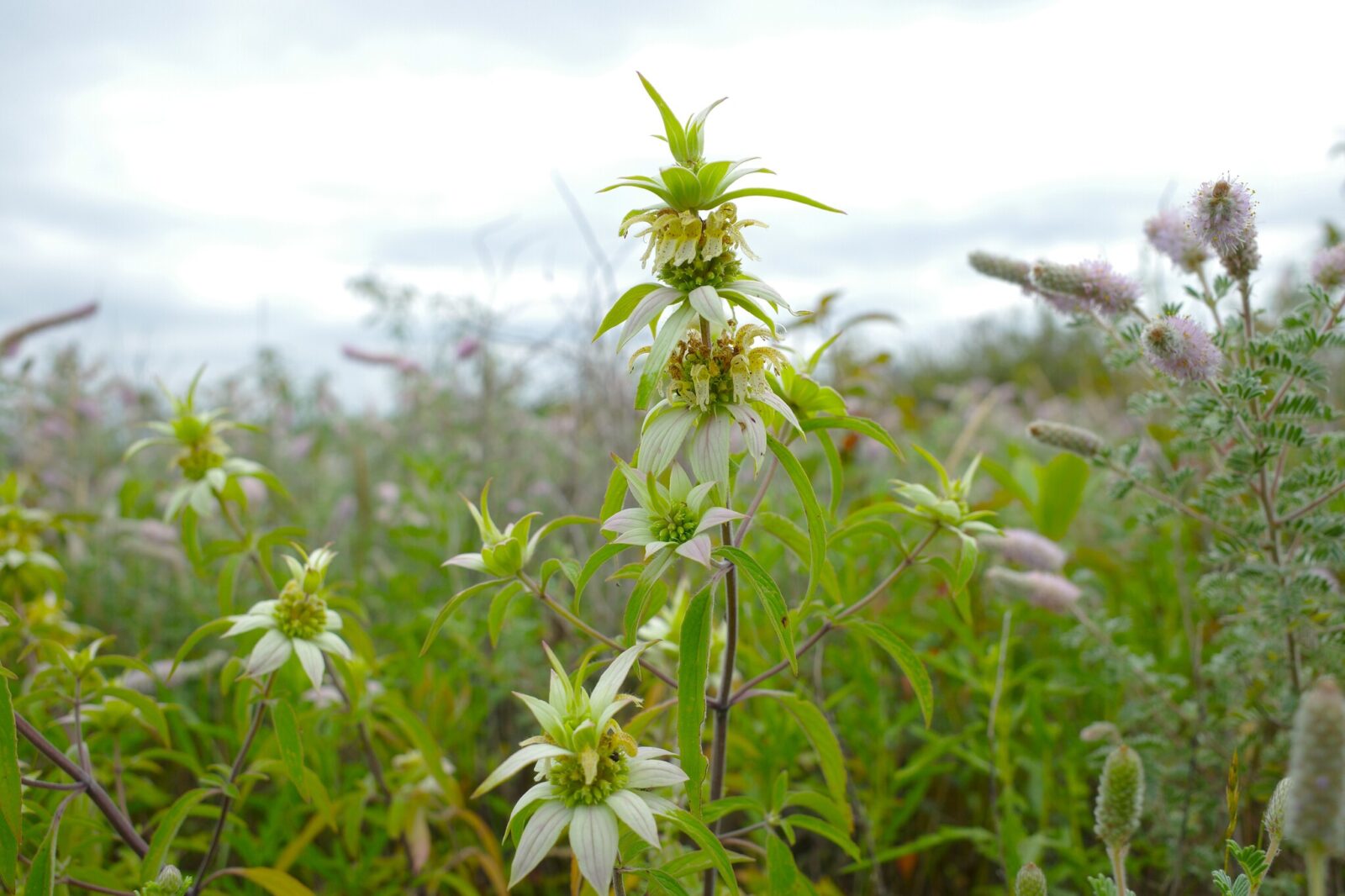
(Monarda punctata)
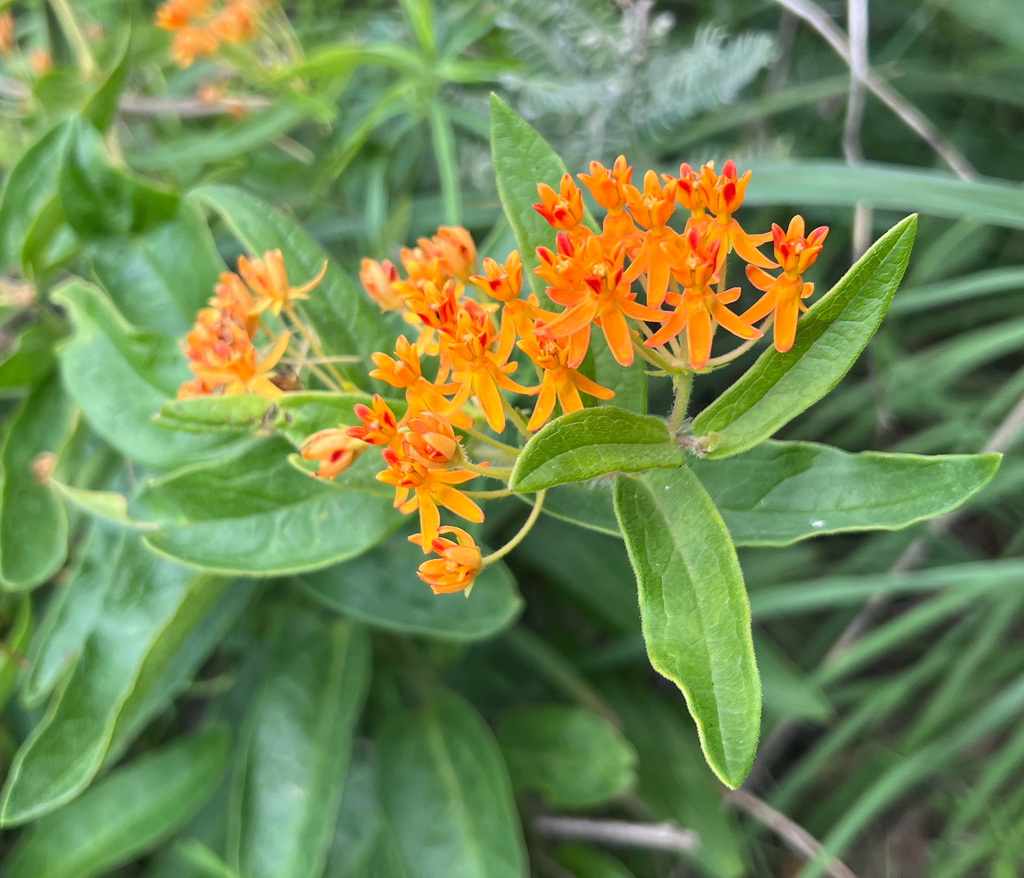
(Asclepias tuberosa)
La Crosse County is home to many different habitats. Groups of volunteers split up to explore across prairies, wetlands, and floodplain forests.
They found a variety of native flora typical of these healthy ecosystems, including various kinds of milkweed, fleabane, clover, grasses and both deciduous and coniferous trees.
Take a closer look by clicking a gallery image.
Unexpected Finds
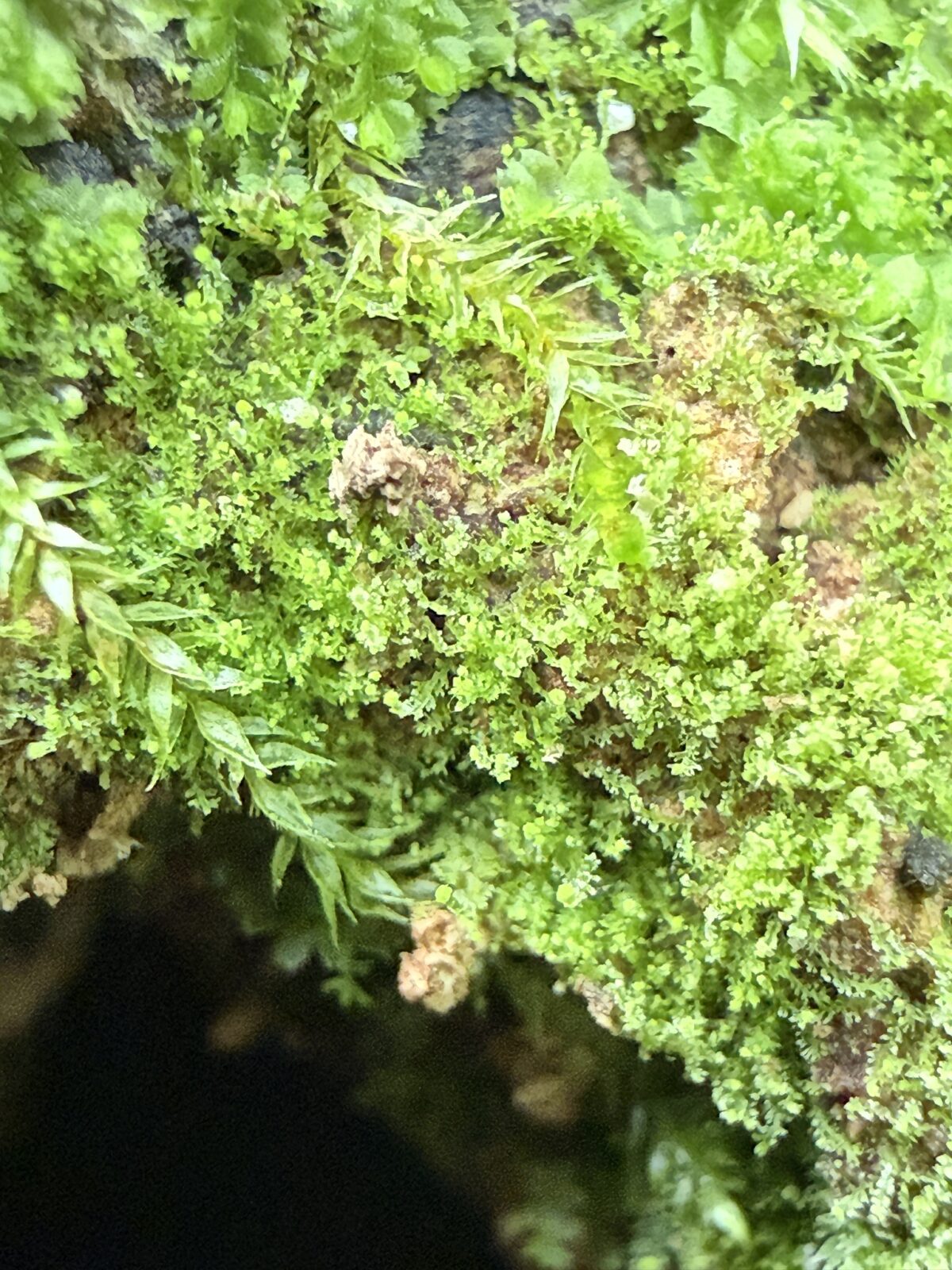
From new observations to the resurfacing of plants not seen for decades, these mosses and liverworts made for exciting finds.
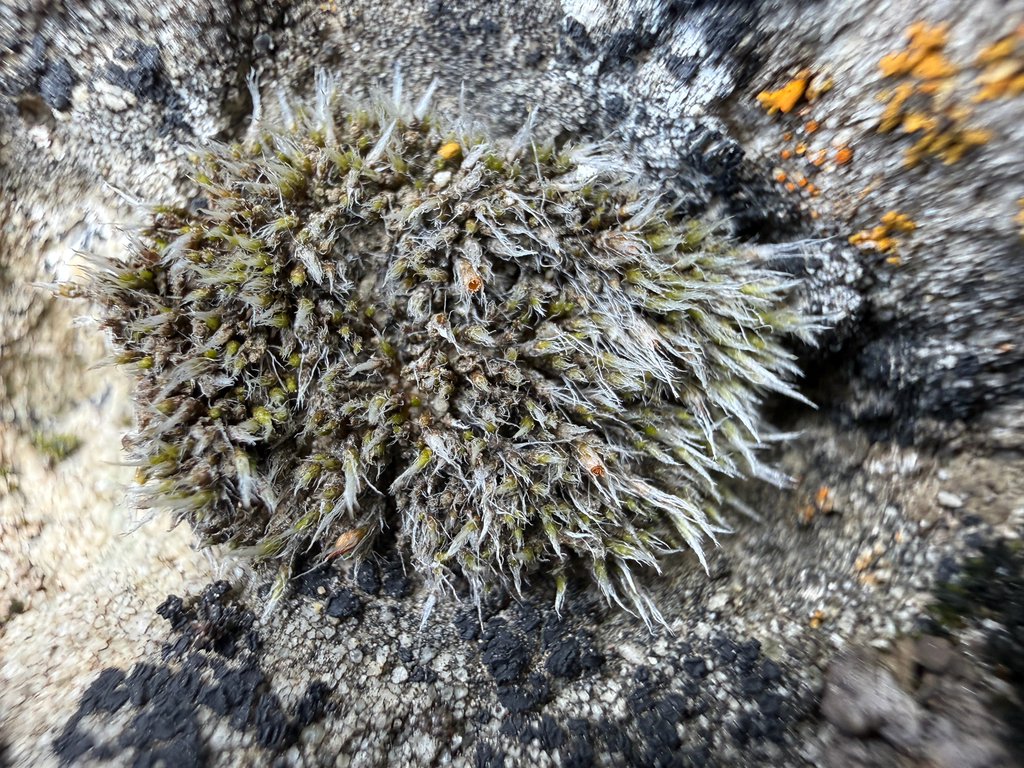
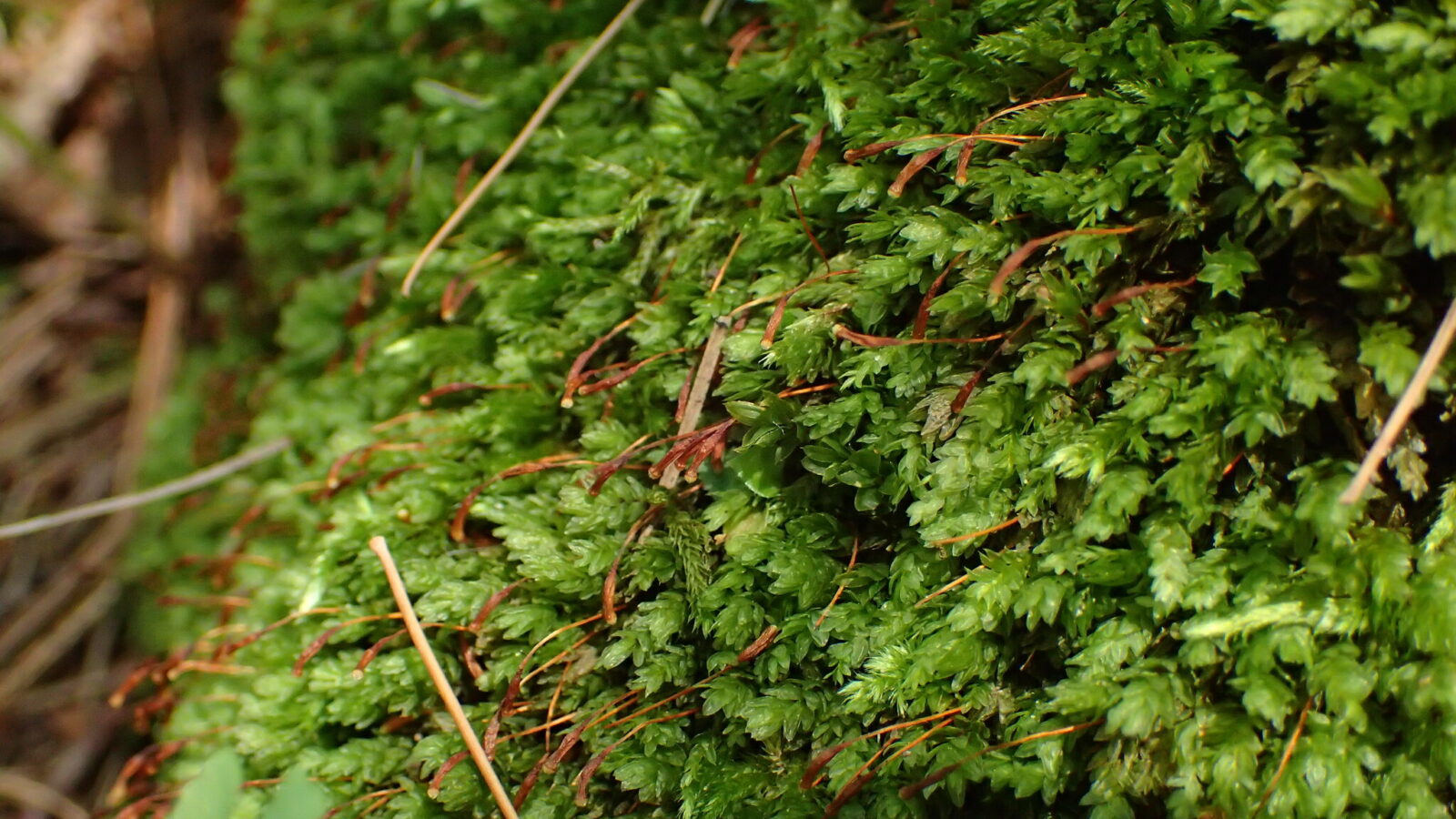
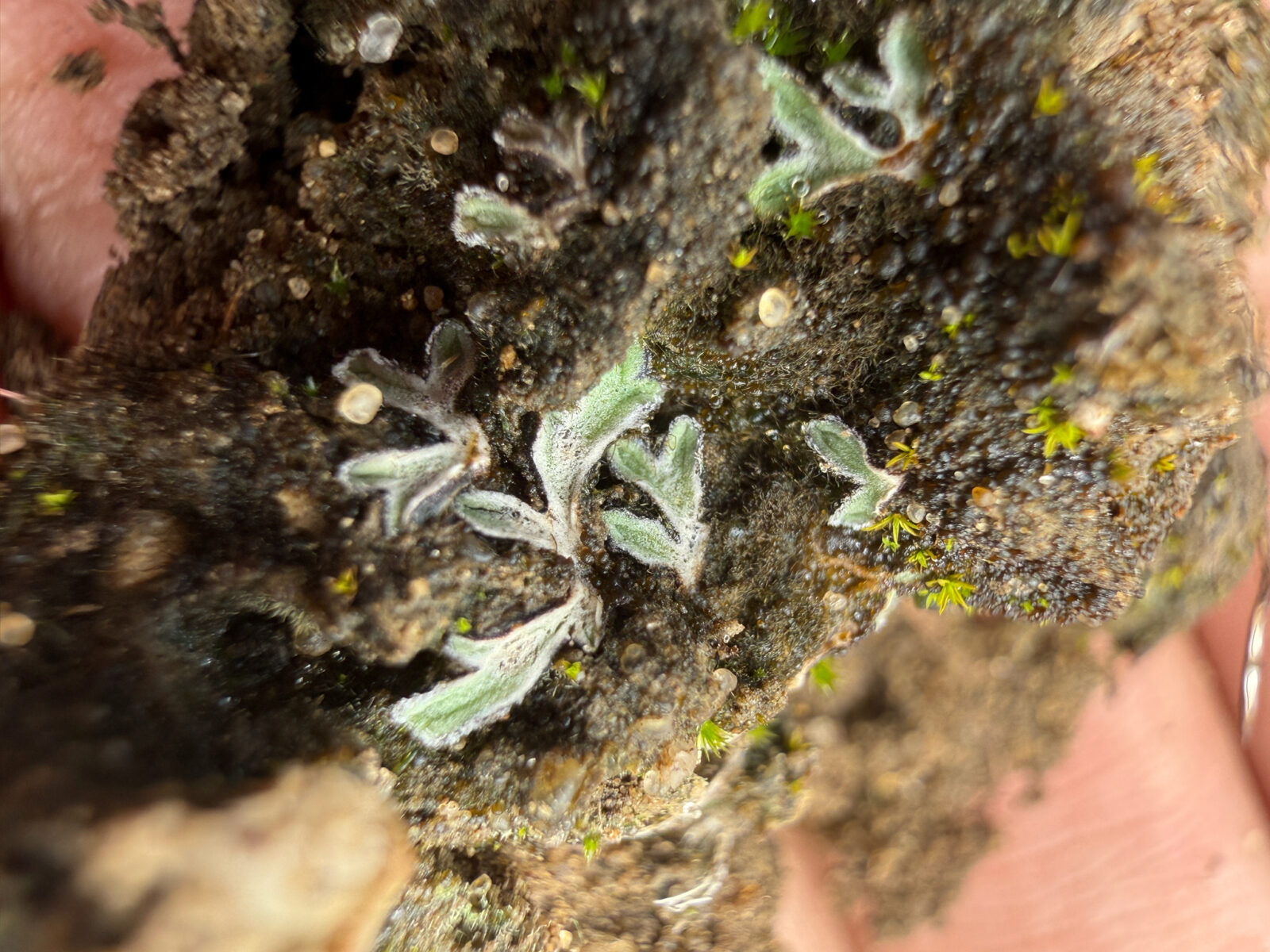
A main objective of the Wisconsin State Herbarium is to document the flora that exist across the state, providing a rich data set and record of it’s natural history throughout time.
This year’s unexpected finds included various bryophytes, which are small land plants with no vascular tissue or flowers.
Many of the mosses and liverworts hadn’t been documented for decades, if ever, in the state or region.
Take a closer look at these exciting finds by clicking a gallery image.
The specimens from this year’s Foray will be added to the Herbarium’s collections, informing our understanding of the distribution of plants in Wisconsin. All of the data and images will be publicly available through their database and online portal, Online Flora of Wisconsin.
Stay tuned for information on next year’s Foray!
Read More
-
Plant enthusiasts joined the Wisconsin Herbarium’s 2026 Foray in La Crosse County, Wi
By Elise Mahon This past July, the Wisconsin State Herbarium and Botanical Club of Wisconsin hosted their 8th annual foray. Over the course of three days, a total of 46 volunteers explored…
-
UW researchers train future scientists and educate communities about wisconsin’s peatlands
Peatlands are powerhouses when it comes to improving water quality, minimizing flood risks, providing habitat and storing carbon. Yet, most people are unaware of these important ecological places. Researchers and students from…
-
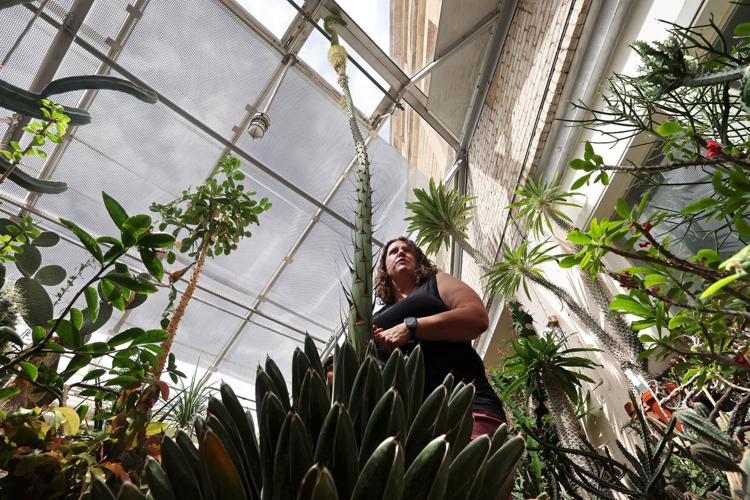
Agave Death Bloom featured as State Journal Photo of the day
UW-Madison’s Botany Garden and Greenhouse’s Agave victoriae-reginae plant bloomed in early June, catching the attention of the public and the Wisconsin State Journal. The plant, which is about 30 years old, blooms…
-
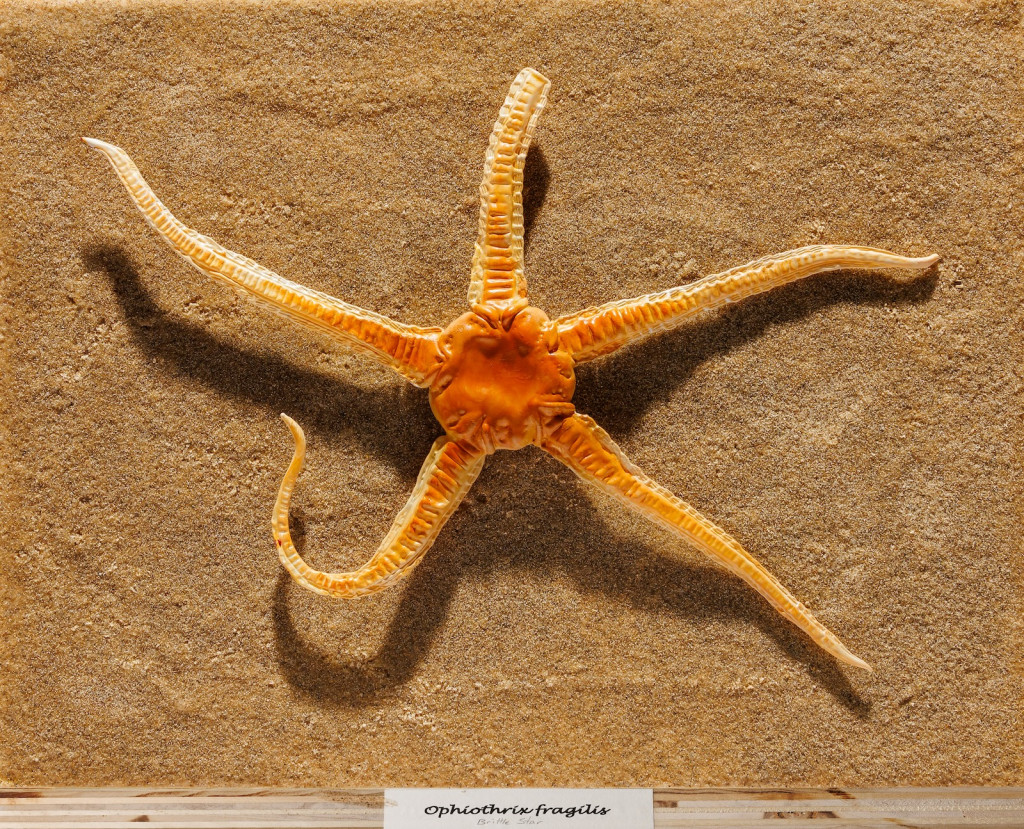
Creating Glass Models of Deep Sea Creatures
Aquatic invertebrates are often difficult to study when they are living, and some can’t even survive outside their deep-ocean habitats. That’s why, 127 years ago, University of Wisconsin biology professor Edward Birge…
-
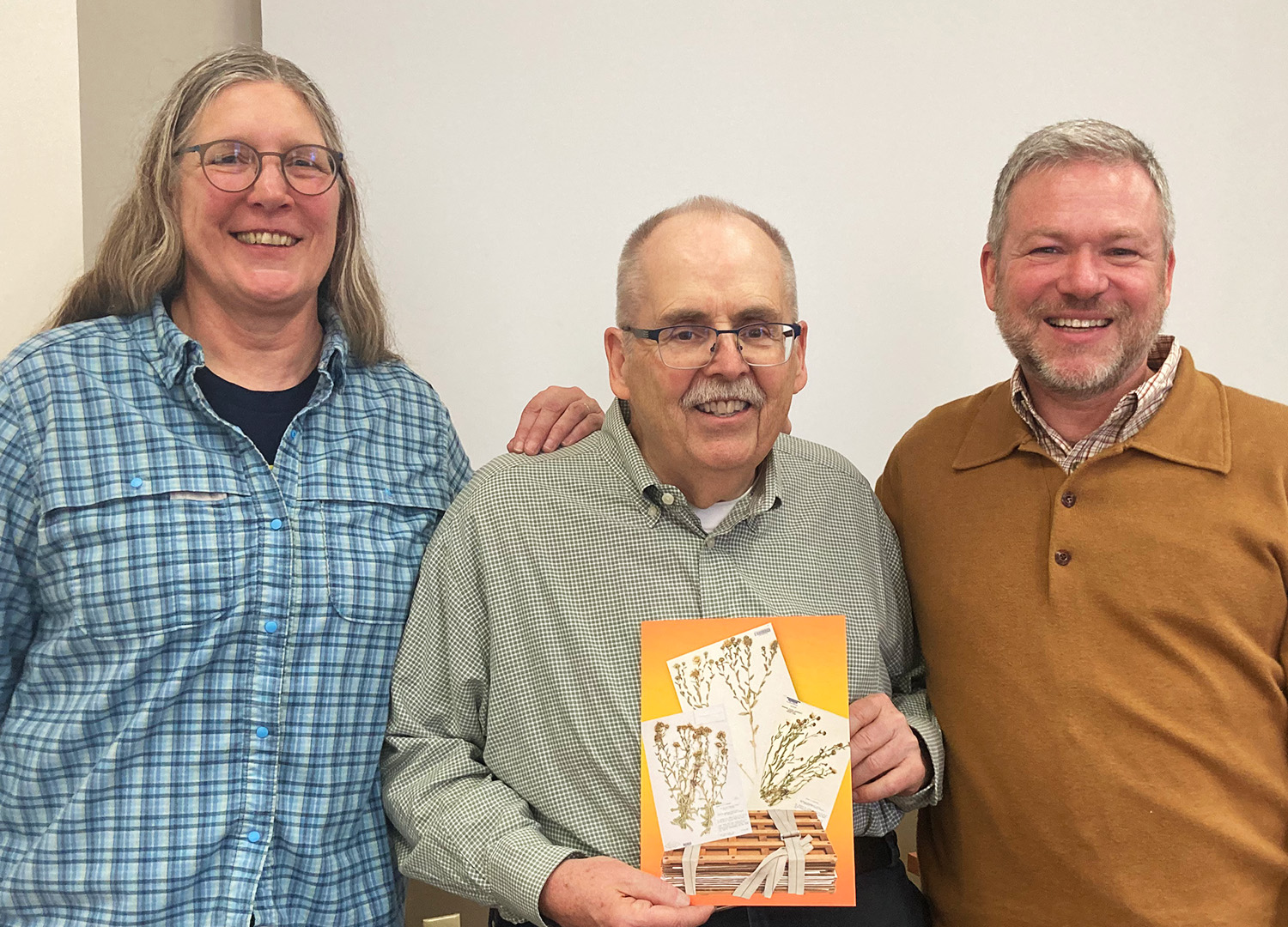
Herbarium Collections Manager Mark Allen Wetter retires after 39 years of service
By Mary Ann Feist On February 1, 2024, Mark Wetter retired from the Wisconsin State Herbarium (WIS) at the University of Wisconsin, Madison, after 39 years of service. The Botany Department held…