Undergraduate Students: Get involved with research
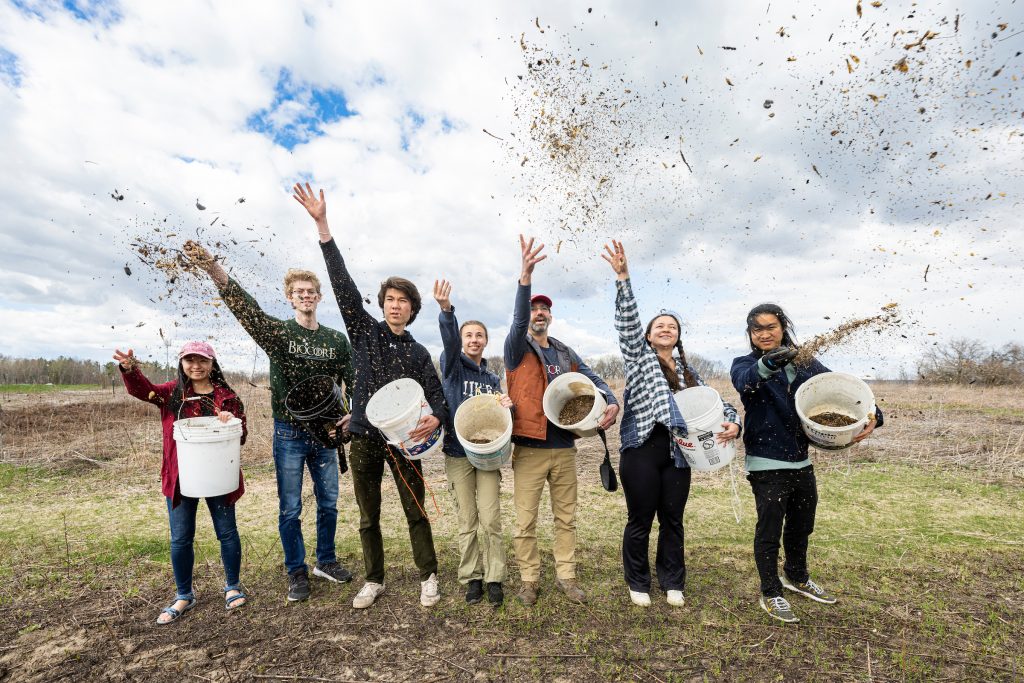
Getting hands-on experience in research is an important part of education, empowering you to apply the concepts you learn during lectures in real time.
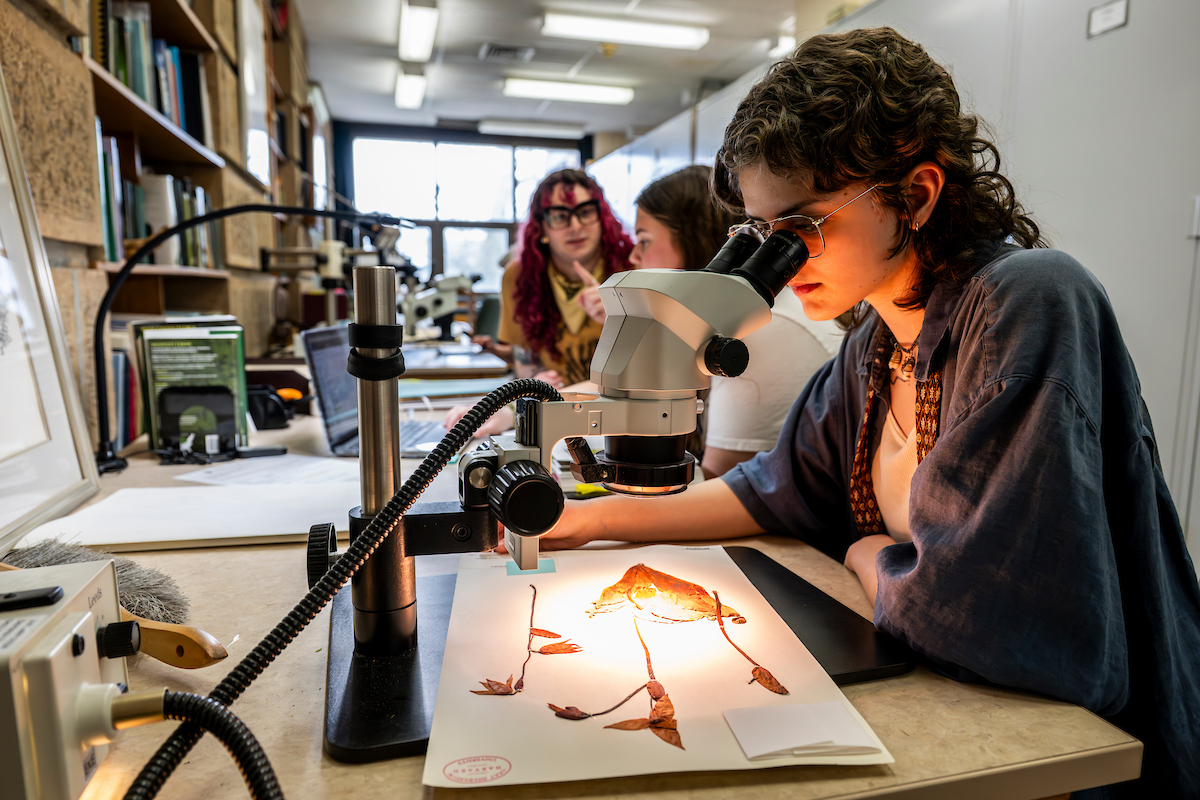
Students in the Department of Biology have many opportunities to learn from world class researchers who are making discoveries that advance their fields and bring benefits to Wisconsin and the world everyday. Our faculty send plants to the International Space Station, collect field data from forests in Yellowstone National Park, image genetic expression in worms as they develop, study how plants cope with drought, and so much more.
Research is such an integral part of the learning experience that many majors in the department require students to participate either through coursework or independent research projects. Even if it isn’t required for your major though, participating in research is a great opportunity to gain practical experience in your field of interest.
Here are some ways you can get involved with research in the department:
Declare a major that requires research
Some majors in the Department of Biology require research credits. These majors include:
- Biology (L&S)
- Botany
- Molecular and Cell Biology
- Neurobiology
Talk to your advisor about the various options that fulfill these requirements.
Coursework
Taking courses with built-in labs or field work is a great way to learn how to think like a researcher and gain experience while you earn academic credits.
Talk to your advisor about courses to consider or explore course offerings on your major’s page in the UW Guide.
Working in a faculty member’s lab
Exploring faculty member research areas is a great way to find an opportunity that may align with your own research interests.
You can check for open undergraduate student lab positions on the Student Job Board. You can also ask professors if they have any opportunities for undergraduates in their lab.
It’s important to note that not all faculty will have openings in their labs. But sending a professional email to a faculty member to inquire about their work and express your interest may open the door for mentorship, connections to other similar opportunities, or future open positions in their lab.
For additional information on getting involved with research as an undergraduate, check out the Guide to Undergraduate Research produced by WISCIENCE.